Why a Pre-Trip Check Is Worth the Extra Minutes
Most drivers assume their car is ready to go simply because it started without complaint last time. That assumption is where trouble begins. Tires lose pressure gradually, brake lights fail without warning, and fluid levels drop between oil changes - none of these announce themselves until you're already on the road.
Commercial truck drivers are legally required to complete a pre-trip inspection before every shift. There's a reason for that standard: a few minutes of deliberate checking prevents the kind of failures that turn routine drives into dangerous situations. Applying the same habit to your personal vehicle is one of the most practical things you can do as a driver.
This checklist is designed to become automatic - a consistent circuit you complete before pulling out of the driveway, whether you're running a quick errand or heading out on a long drive. For a broader look at vehicle readiness and road safety, see our safe driving overview for U.S. drivers.
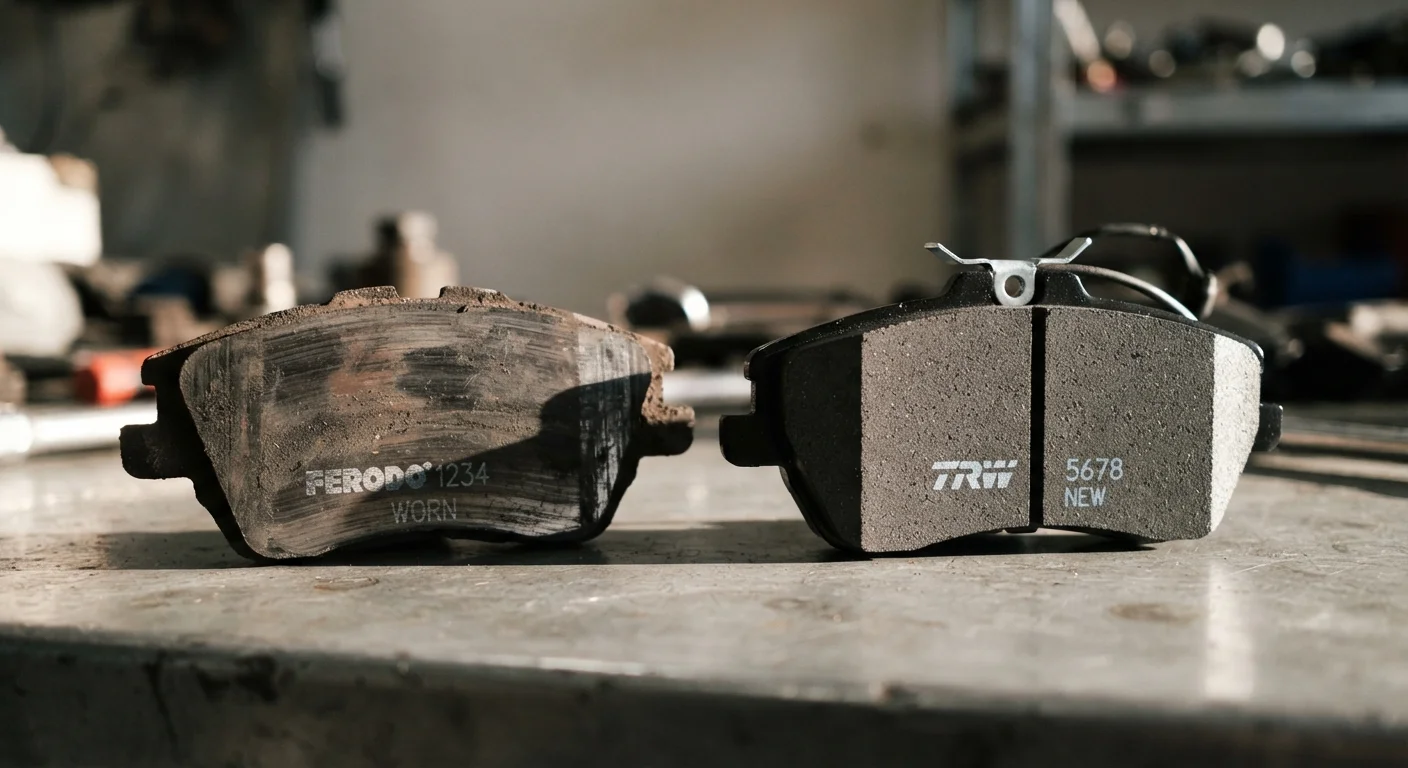
Exterior Walk-Around
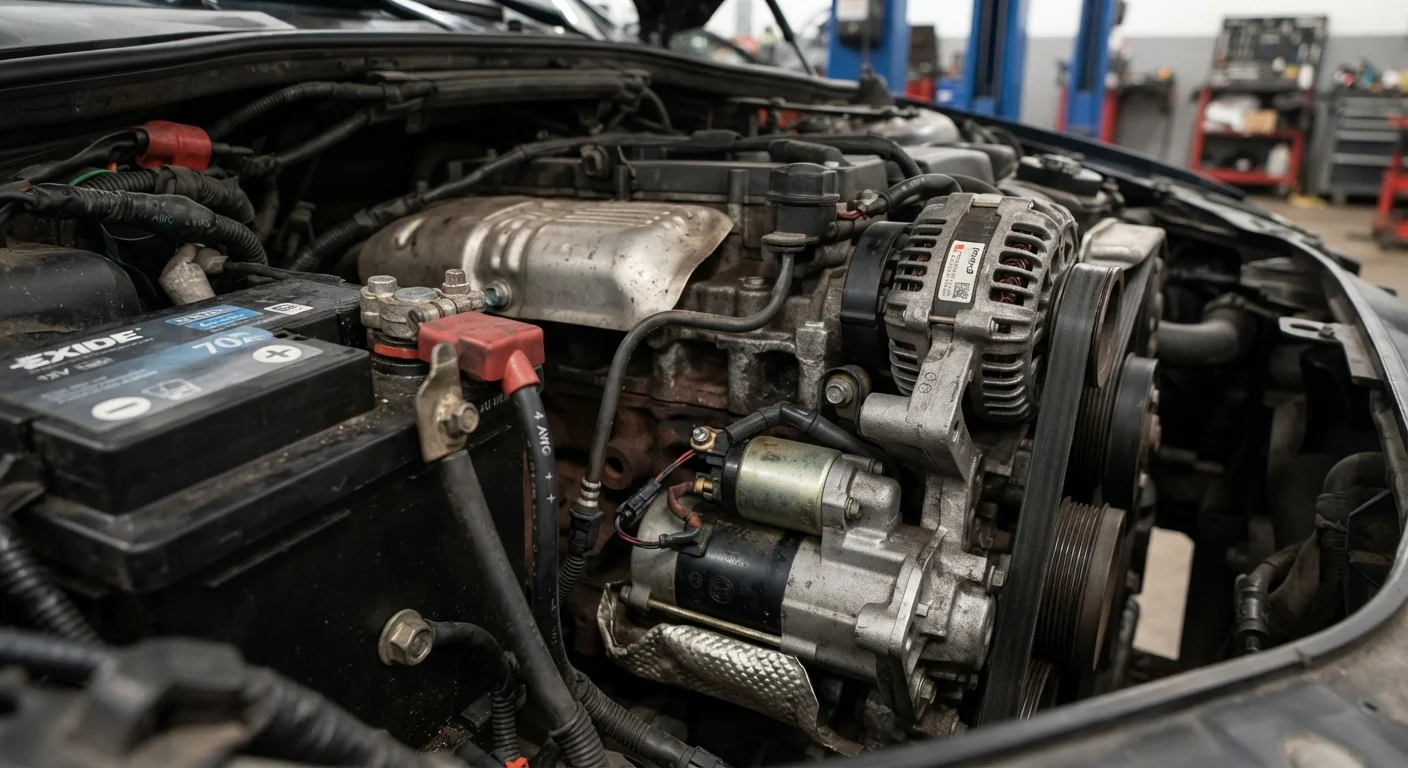
Under the Hood
Interior and Controls
Documents and Emergency Readiness
Tools and Items to Keep in Your Vehicle
Running this checklist is easier when you already have the right resources on hand. Keep the following in your vehicle so you can address minor issues quickly and stay prepared for the unexpected.
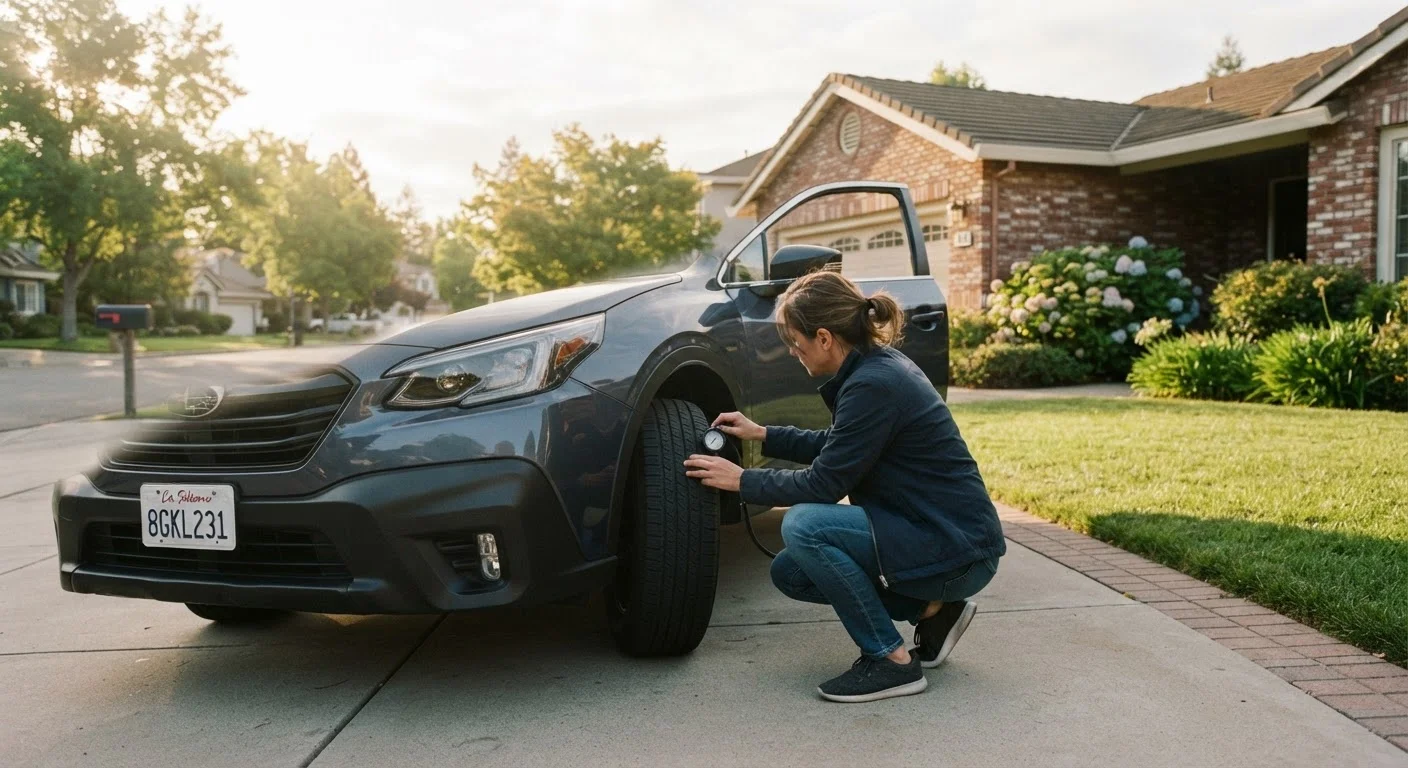
Tire pressure gauge
Used to verify each tire's inflation matches the manufacturer's recommended PSI before every trip.
Flashlight or work light
Helps inspect tires, under the hood, and under the vehicle in low-light conditions.
Jumper cables or jump starter pack
Enables a battery restart if your vehicle or another driver's car fails to start.
First aid kit
Provides basic medical supplies for minor injuries in the event of a roadside incident.
Reflective warning triangle or road flares
Alerts other drivers if your vehicle is stopped on or near the roadway.
Tread depth gauge
Gives a precise reading of remaining tire tread depth beyond what a visual check can confirm.
Portable tire inflator
Allows you to restore tire pressure to a low tire without visiting a gas station.
Good vehicle habits don't stop at pre-trip checks. Seasonal maintenance matters too - the same mindset that keeps your car road-ready applies to your home. Our seasonal home maintenance checklist shows how a structured routine prevents costly surprises year-round.
Don't Drive With an Unresolved Warning Light
An illuminated check engine, oil pressure, temperature, or brake warning light is not something to defer until a more convenient time. Some warning states - such as low oil pressure or overheating - can cause severe and rapid engine damage if you continue driving. If a critical warning light appears before or during your trip, consult your owner's manual immediately and have the vehicle inspected by a qualified mechanic before driving further.
For additional guidance on routine upkeep that supports your pre-trip habit, explore our car maintenance hub.