Why the CPO Label Doesn't Mean One Thing
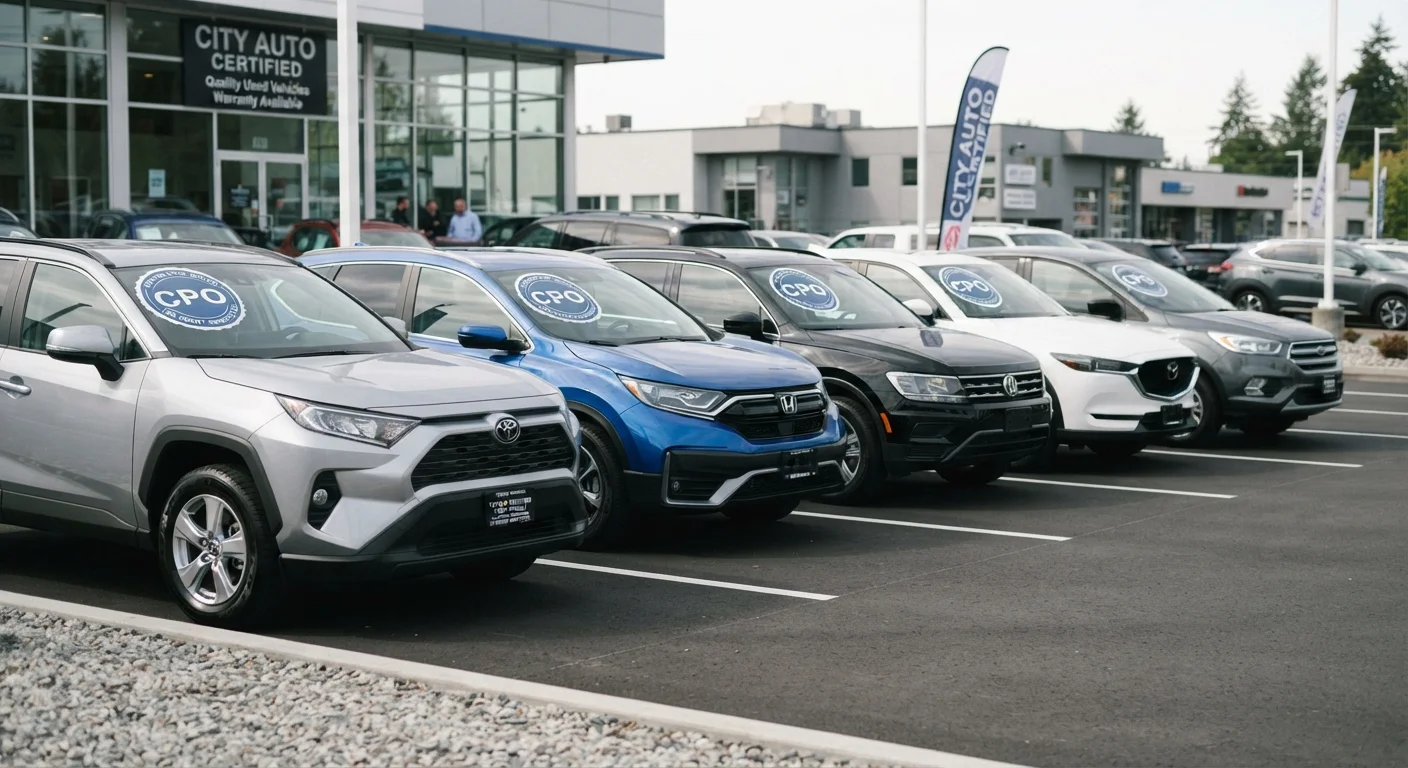
When shoppers see "Certified Pre-Owned" on a windshield, many assume it signals a consistent, regulated standard. It does not. The term is a marketing and quality designation created independently by each automaker - or in some cases by individual dealers - and there is no federal body that mandates what CPO must include.
This matters because the gap between programs can be substantial. One manufacturer's CPO program might require a 170-point inspection, cover powertrain components for seven years, and include roadside assistance. Another might involve a 100-point checklist and a 12-month bumper-to-bumper warranty. Both vehicles can legally carry the word "certified."
Understanding this distinction is one of the most important steps in the used-car buying process. For a broader look at how used cars compare to new vehicles across depreciation, financing, and reliability data, see our breakdown of new vs. used car trade-offs.
What a CPO Inspection Checklist Actually Covers
The inspection is the foundation of any CPO program. Manufacturer programs typically evaluate mechanical systems (engine, transmission, brakes, steering), safety systems (airbags, seatbelts, warning lights), exterior and interior condition, and whether the vehicle has a clean title history. Many require a vehicle history report as a prerequisite.
Key questions to ask about any inspection:
- How many inspection points does the checklist include? Higher point counts don't automatically mean better coverage, but a detailed checklist signals more structured accountability.
- Is the inspection performed by a factory-trained technician? Manufacturer programs generally require certified technicians at franchised dealerships.
- What disqualifies a vehicle from certification? Prior structural or frame damage, flood history, or title brands like salvage or lemon law buyback typically disqualify a vehicle from legitimate manufacturer CPO programs.
- Can you see the completed inspection report? You should be able to review the actual document, not just a summary.
Dealer-Certified vs. Manufacturer-Certified
Dealer-certified programs can vary dramatically from one dealership to the next. Without manufacturer oversight, inspection standards and warranty terms are entirely at the dealer's discretion - and may offer little more protection than a standard used car sale. Always clarify which type of certification you're being offered before factoring it into your valuation.
Dealer-certified programs can vary dramatically from one dealership to the next. Without manufacturer oversight, inspection standards and warranty terms are entirely at the dealer's discretion - and may offer little more protection than a standard used car sale.
Decoding CPO Warranty Terms
The warranty is often the most valuable - and most misunderstood - element of a CPO purchase. CPO warranties generally fall into two categories: an extension of the original factory warranty, or a separate limited warranty created specifically for the CPO program.
When reviewing warranty terms, pay close attention to these factors:
- Coverage type: "Powertrain" coverage protects the engine, transmission, and drivetrain. "Bumper-to-bumper" or "comprehensive" coverage extends further but is less common in CPO programs.
- Duration and mileage: Warranties are typically expressed as a combination - such as five years or 60,000 miles from the original sale date, whichever comes first. Clarify whether that clock started at the original sale or at your purchase.
- Deductibles: Many CPO warranties include a per-visit deductible. Compare this figure across programs; it affects the real-world cost of using the warranty.
- Where repairs must be performed: Manufacturer CPO warranties typically require repairs at a franchised dealership in the brand's network, which may limit your convenience depending on your location.
170+
Inspection points in leading manufacturer CPO programs
Some automaker CPO programs include more than 170 individual inspection checkpoints, though the specific number varies significantly by brand and program tier.
5-7 years
Typical CPO warranty duration from original sale date
Many manufacturer-backed CPO programs extend powertrain coverage to five to seven years from the original in-service date, though mileage caps apply and terms differ by automaker.
~60,000 mi
Common CPO eligibility mileage ceiling
Most manufacturer CPO programs set an upper mileage threshold - frequently around 60,000 to 80,000 miles - beyond which a vehicle cannot be certified regardless of condition.
How to Evaluate a CPO Program Before You Buy
Approaching a CPO purchase with a structured mindset protects you from paying a premium for coverage that doesn't match your expectations. Before agreeing to any deal, take the following steps:
- Confirm it's a manufacturer program, not a dealer program. Ask directly whether the certification is backed by the automaker or created by the dealership.
- Request the completed inspection checklist. Review it line by line to see which items passed, which were repaired, and whether anything was noted as acceptable but not corrected.
- Read the warranty document, not the brochure. The actual warranty contract - not a marketing summary - spells out exactly what is and isn't covered, including exclusions.
- Check whether the warranty is transferable. This affects resale value if you plan to sell the car before coverage expires.
- Verify the vehicle history report independently. Even if the dealer provides one, pulling your own from a reputable reporting service lets you confirm the information independently.
Once you have all of this in hand, you'll be well-positioned for the final steps of the transaction. Before you sign anything at the dealership, take time to review the contract terms, add-ons, and financing details with the same scrutiny you applied to the CPO designation itself.