Why Back-to-Back Sports Create Unique Physical Challenges
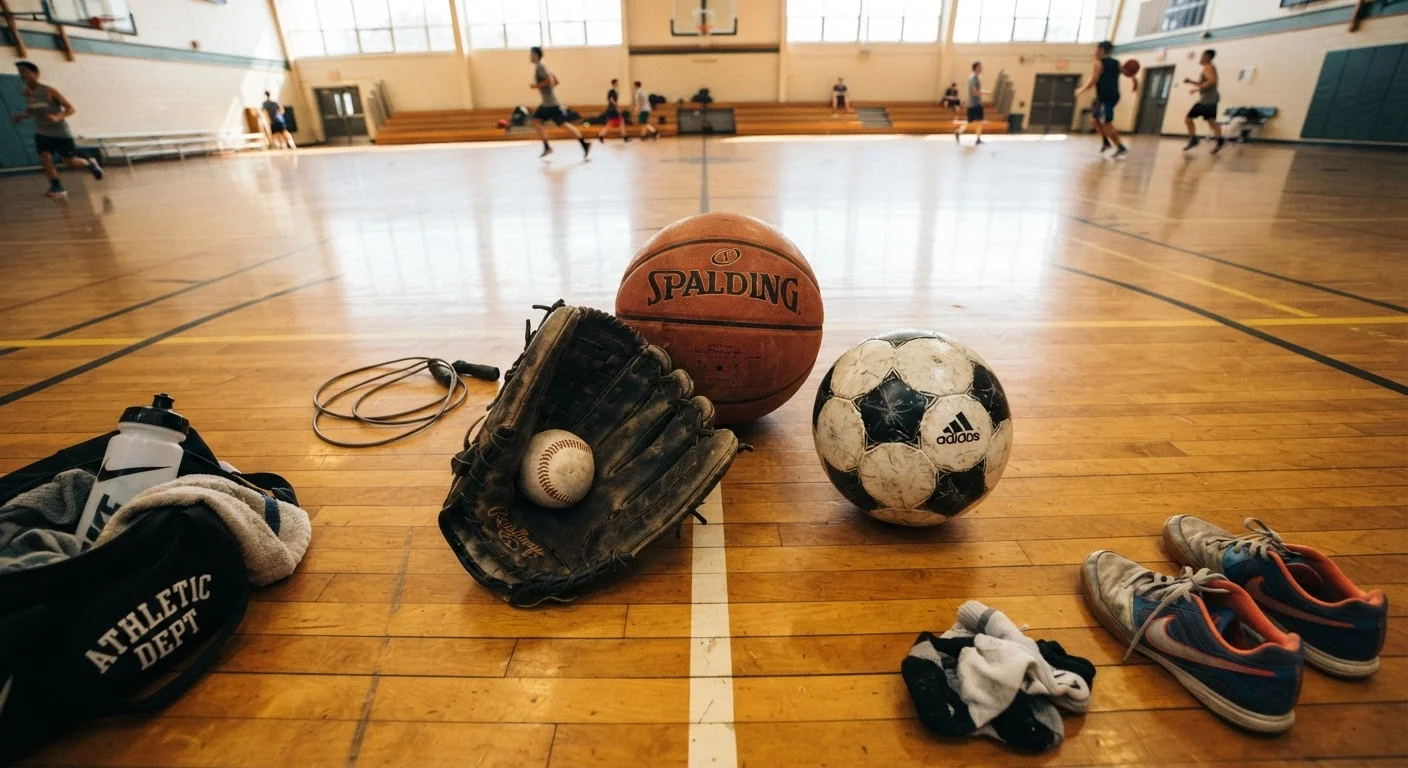
The idea of playing one sport right after another season sounds appealing - you're already active, already fit. But the body doesn't experience fitness as one general resource. Cardiovascular endurance, muscular strength, movement economy, and joint tolerance are all highly specific to the demands that trained them. Going from soccer in the fall directly into basketball in the winter, for example, means asking connective tissue, stabilizer muscles, and neuromuscular patterns to immediately shift gears.
Research in sports science consistently shows that sport-specific adaptations develop over weeks and months of repeated, targeted loading. When athletes switch sports without a transitional buffer, the mismatch between existing conditioning and new demands creates an elevated window of injury risk. This applies to recreational players just as much as competitive ones - sometimes more so, because recreational athletes typically have less structured recovery built into their schedules.
For a broader look at how movement habits shift with the calendar, see Staying Active Through the Seasons.
Fitness Overlaps: Where Sports Share Common Ground
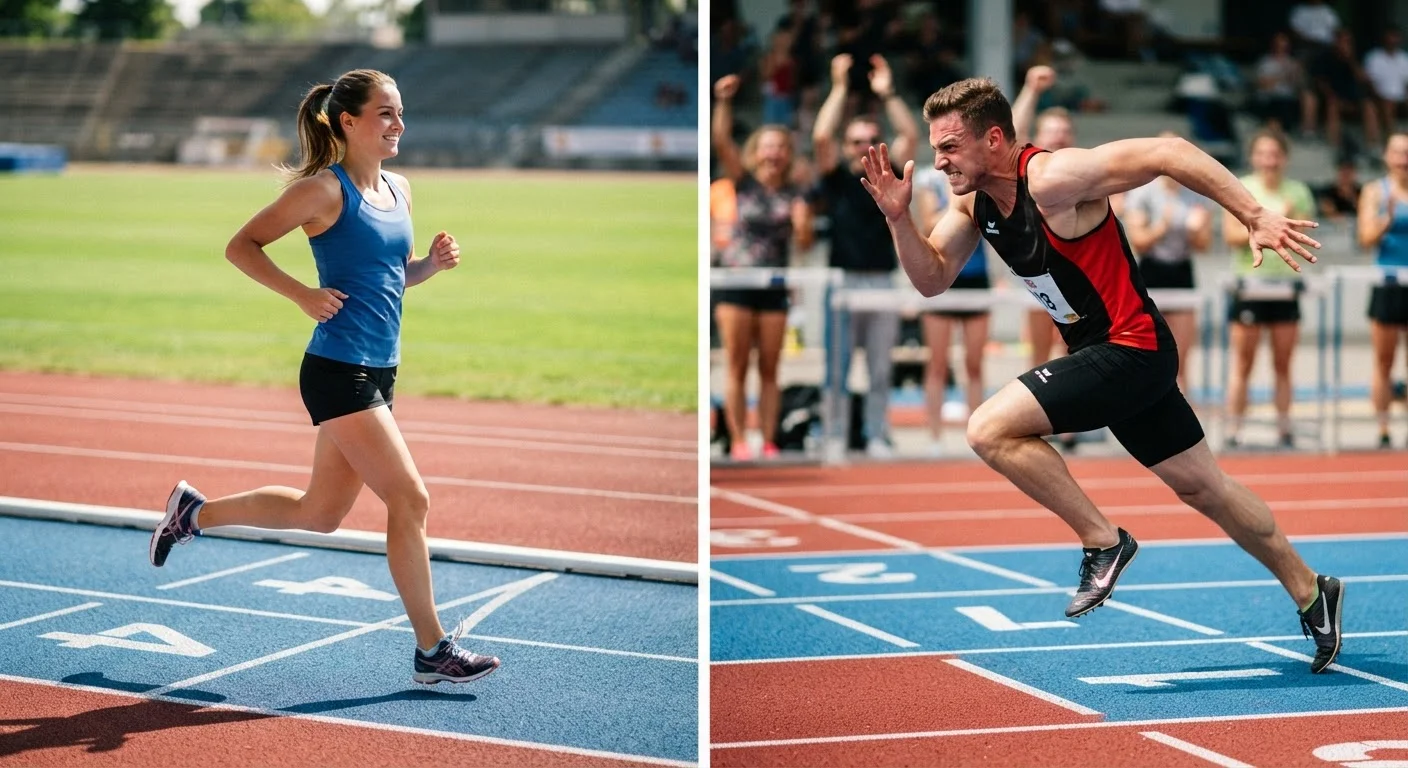
Despite their differences, many popular American sports share a meaningful aerobic foundation. Sports like soccer, basketball, and lacrosse all rely heavily on repeated sprint capacity and cardiovascular endurance, meaning that fitness built in one transfers - at least partially - to the others. An athlete coming off a soccer season will likely have the aerobic base to handle basketball's intermittent intensity without starting from zero.
Similarly, sports requiring lateral agility - tennis, basketball, volleyball - share overlapping demands on hip abductor strength and ankle stability. Athletes who've developed strong lateral mechanics in one sport often find those same patterns useful when stepping into another.
| Soccer | Basketball | American Football | Baseball/Softball | |
|---|---|---|---|---|
| Primary energy system | Aerobic + repeated sprints | Aerobic + anaerobic intervals | Anaerobic (short bursts) | Anaerobic + skill-based |
| Dominant movement pattern | Linear & lateral running | Jumping & lateral cuts | Explosive collisions | Rotational power |
| Primary joint stress | Knee, ankle, hip | Knee, ankle | Shoulder, neck, knee | Shoulder, elbow, hip |
| Cardiovascular transfer | High | High | Low | Low-Moderate |
| Sport-specific skill overlap | Moderate with basketball | Moderate with soccer | Low with other sports | Low with other sports |
| Transition risk if switched abruptly | Moderate | Moderate | High | Moderate-High |
Understanding where sports genuinely overlap helps athletes and coaches plan smarter transitions. The goal isn't to avoid switching sports - it's to recognize which fitness qualities transfer and which need to be rebuilt deliberately.
Fitness Conflicts: Where Sports Work Against Each Other
The conflicts are where back-to-back sports become genuinely risky. American football builds significant upper-body mass and relies on explosive, short-burst power over brief intervals. Going directly from a football season into a distance-running sport like cross country asks the body to shed some of that mass-dependent strength while simultaneously developing an entirely different energy system. That transition typically takes longer than most recreational athletes expect.
Baseball and softball demand rotational power through the hips and thoracic spine, and repeated throwing creates asymmetrical loading patterns - one shoulder, one elbow, one side of the core - that can become problematic if an athlete immediately picks up a sport that loads the body symmetrically and continuously, like rowing or swimming. The asymmetry doesn't disappear overnight.
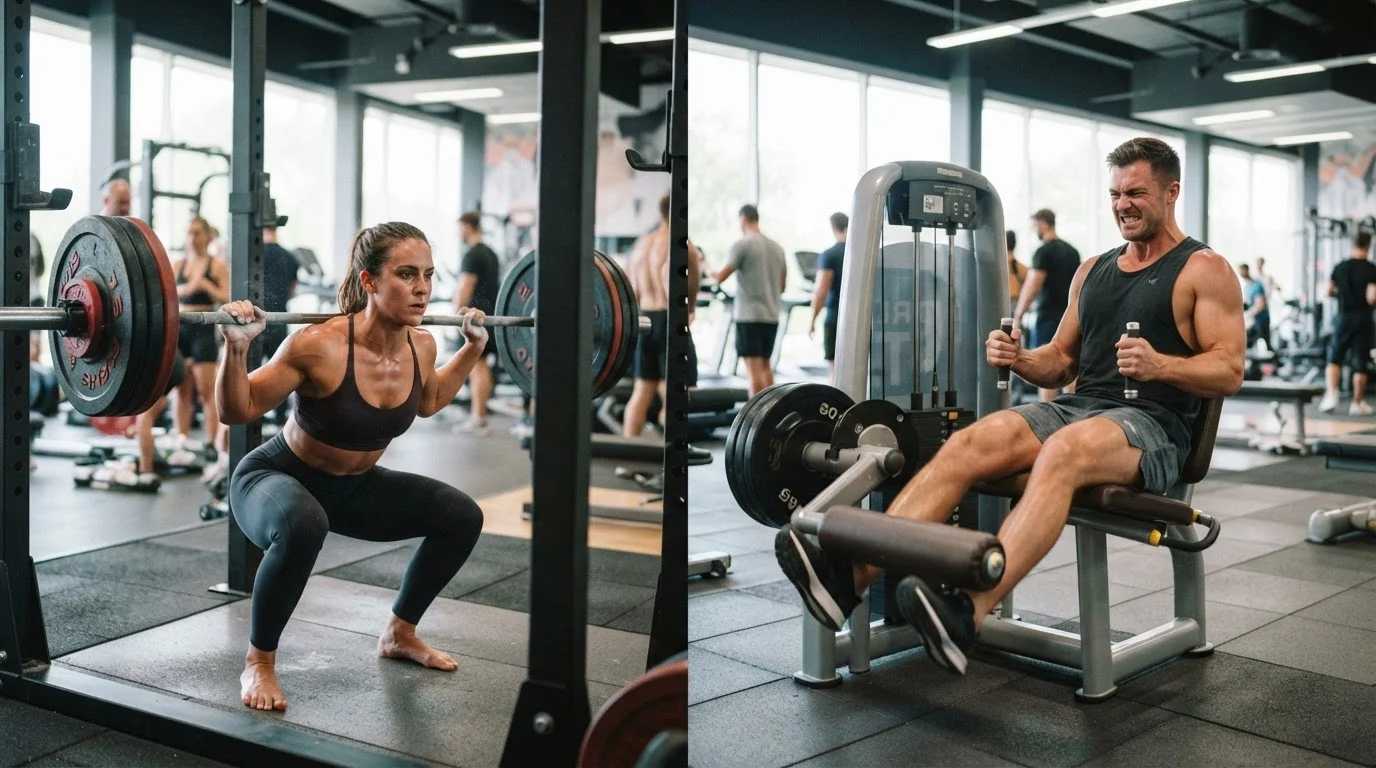
Perhaps the most underappreciated conflict is between sports that emphasize impact absorption (basketball, volleyball) and those emphasizing repetitive low-load endurance (running, cycling). Joint tissues - especially cartilage and tendons - adapt slowly and don't shift tolerance profiles quickly. Jumping into high-impact activity after a long endurance season is a common trigger for patellar and Achilles tendon complaints.
Learn what recreational athletes commonly get wrong before game day - many of the same errors that harm single-sport performance are amplified during sport transitions.
Managing the Transition: Practical Principles
Managing a sport-to-sport transition well comes down to a few evidence-informed principles. First, don't eliminate rest entirely. Even a one- to two-week deload between seasons allows accumulated fatigue to clear and connective tissue to recover. This rest doesn't mean complete inactivity - light movement, mobility work, and low-intensity cardiovascular activity are all beneficial.
Second, prioritize the new sport's dominant movement patterns in the weeks before full participation begins. If transitioning from football to basketball, this means reintroducing jumping, change-of-direction drills, and ball-handling work at reduced intensity before full-speed scrimmaging.
Third, load management matters. Athletes who've been playing at high intensity should reduce total training volume during the first two to four weeks in the new sport, even if they feel capable of more. Perceived readiness frequently outpaces actual tissue tolerance - a critical gap that leads to overuse injuries.
For those thinking about sport structure at any level, the principles of athletic training provide a useful framework for understanding how the body adapts to physical stress over time.
This article is for general informational and educational purposes only. It is not a substitute for advice from a qualified sports medicine professional, physical therapist, or certified athletic trainer. Consult a professional before beginning any new physical activity program, especially if you have existing injuries or health conditions.