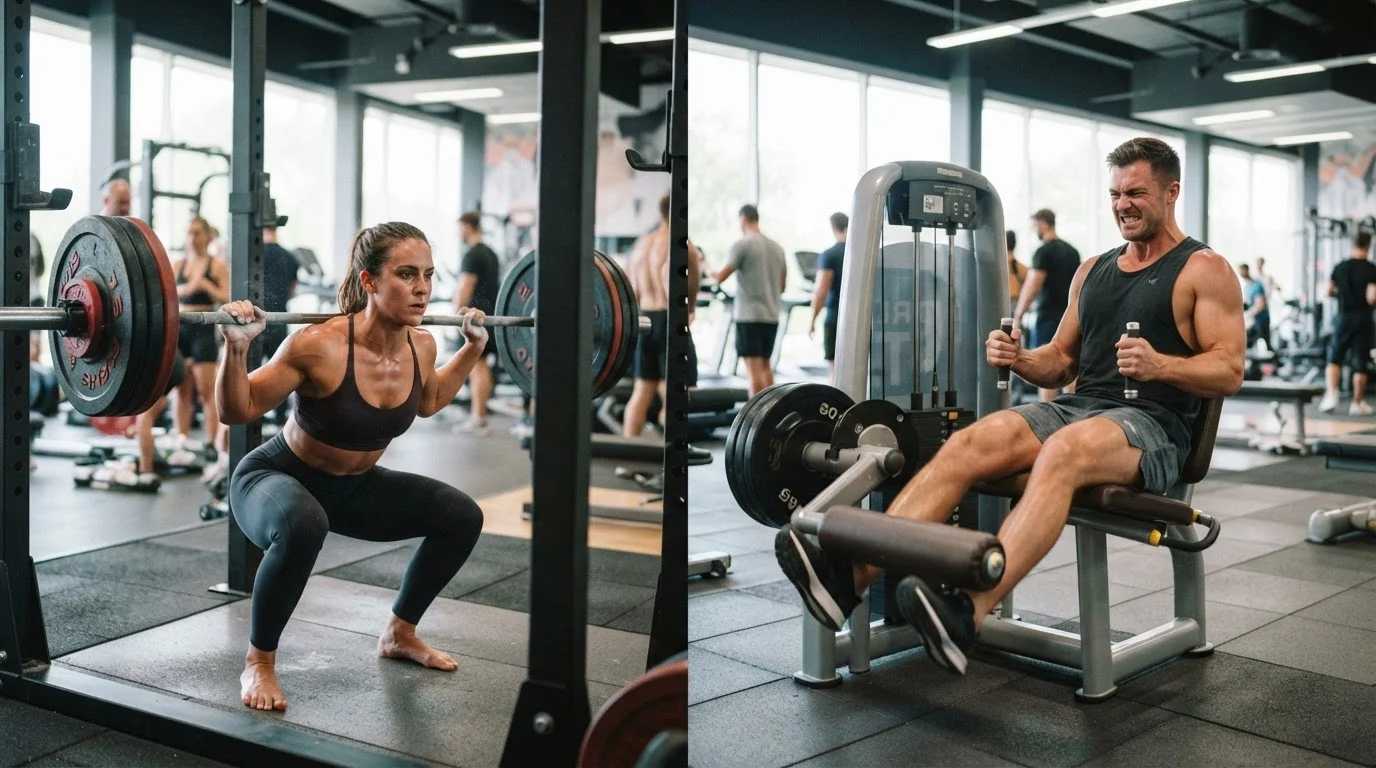
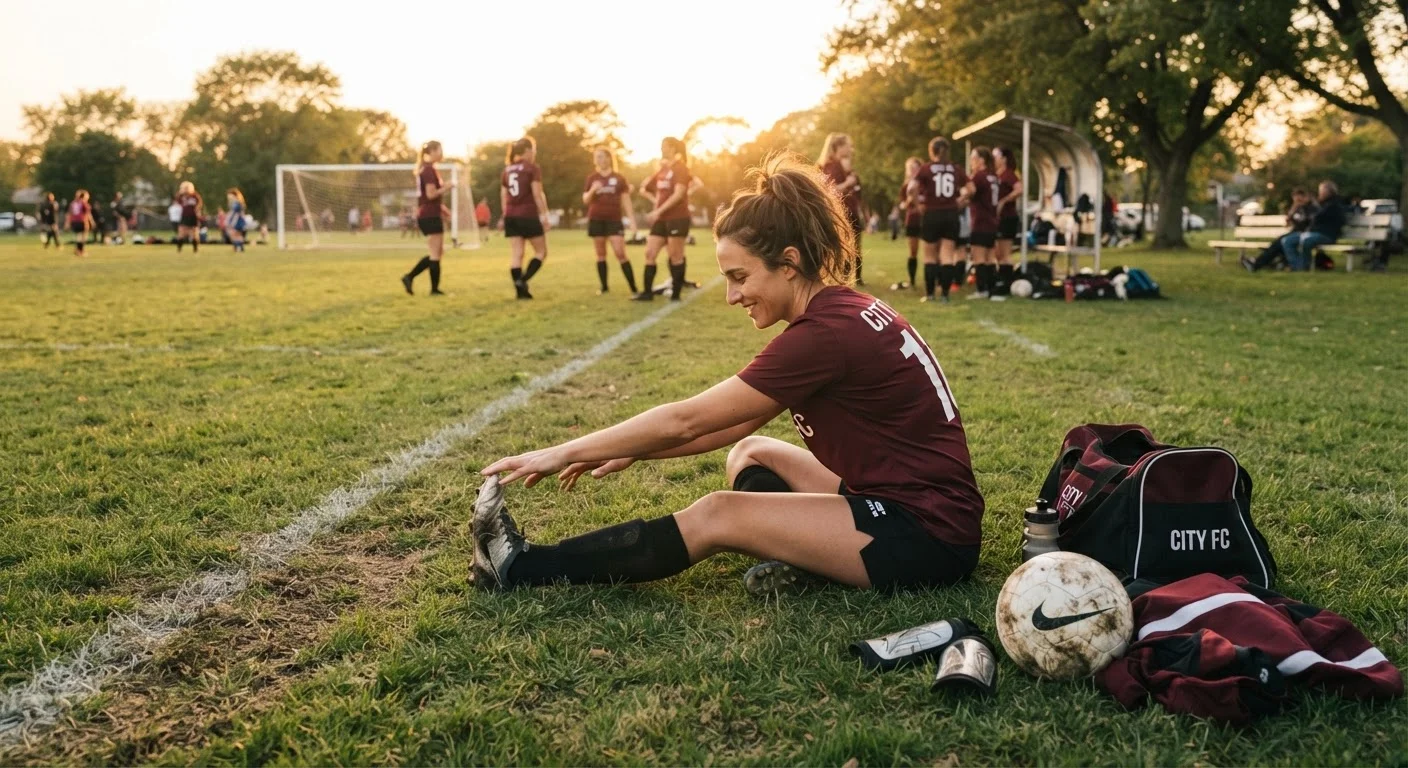
Why Pre-Game Habits Matter More Than Recreational Players Realize
Recreational athletes occupy a unique middle ground - committed enough to show up consistently, but often without the structured support systems that guide competitive players through preparation. The result is a predictable cluster of pre-game habits that quietly undermine performance, and in some cases raise injury risk.
The good news: almost every common game-day mistake is correctable. Most require no special equipment, no extra training time, and no dramatic lifestyle overhaul. What they do require is awareness of why certain habits matter and the discipline to apply them routinely. Whether you're stepping onto a soccer field, a recreational basketball court, or a Sunday softball diamond, these principles apply. For athletes who are rebuilding their activity level from scratch, our guide to returning to exercise offers a foundational starting point.
Skipping a dynamic warm-up and going straight into full-intensity play.
Why it happens: Recreational athletes often arrive with limited time and assume a few arm swings or a light jog is sufficient. Static stretching - or nothing at all - is the norm for many casual players.
Waiting until game time to start hydrating.
Why it happens: Most people only notice thirst when they're already mildly dehydrated. It's easy to forget to drink water throughout the day when work, errands, or travel dominate the pre-game schedule.
Eating a heavy or unfamiliar meal too close to game time.
Why it happens: Game-day excitement often leads to nervous overeating, or players simply don't plan ahead and grab whatever is convenient - including high-fat or high-fiber foods that digest slowly.
Neglecting sleep in the 24-48 hours before a game.
Why it happens: Weekend games, social commitments, and work schedules can interfere with sleep the night before. Many recreational players don't connect poor sleep directly to sluggish reaction times and reduced endurance.
Ignoring mental preparation and arriving distracted or mentally unprepared.
Why it happens: Recreational athletes often treat games as purely physical events, underestimating how much focus, spatial awareness, and decision-making sport demands even at casual levels.
Showing up without checking equipment, attire, or logistics in advance.
Why it happens: Recreational players often handle gear and scheduling informally, which leads to forgotten items, ill-fitting footwear, or last-minute travel stress that disrupts warm-up time.
Building a Smarter Game-Day Routine
Avoiding the mistakes above isn't about perfection - it's about building a reliable pre-game sequence that covers the physical, nutritional, logistical, and mental dimensions of preparation. Recreational athletes who play multiple sports across different seasons face an additional layer of complexity; the demands shift significantly from one sport to another, and preparation should reflect that. Our article on the physical demands of playing different sports back-to-back explores what that looks like in practice.
Don't Rely on Energy Drinks or Caffeine Alone
Some recreational athletes substitute coffee, energy drinks, or pre-workout supplements for proper rest and nutrition. These may provide a short-term boost but can also cause elevated heart rate, dehydration, and energy crashes mid-game. They are not a substitute for sleep, balanced pre-game meals, or adequate hydration, and some may carry cardiovascular risks for individuals with underlying conditions. Consult a healthcare professional if you have any concerns about stimulant use before physical activity.
Start small if an overhaul feels overwhelming. Add a structured warm-up first. Then address hydration timing. Small, consistent improvements compound quickly into meaningful performance gains - and more enjoyable games. For a broader look at staying active and motivated across all areas of life, explore our Active Lifestyle hub.
This article is for general informational and educational purposes only and does not constitute medical or professional sports medicine advice. Consult a qualified healthcare professional before making significant changes to your training or nutrition, especially if you have any underlying health conditions.