
Why Seasons Disrupt Activity Patterns
Most people don't abandon their fitness habits all at once - they just quietly fade when the weather turns. A summer running streak stalls when school starts. A winter walking routine disappears the first time temperatures drop hard. These disruptions are predictable, which means they're also preventable.
Research consistently shows that physical activity levels dip during cold months and spike in spring and early summer for most Americans. The pattern isn't about willpower - it's about environment, daylight, and routine. Understanding how seasons affect your movement makes it easier to plan around them rather than be caught off guard.
If you're looking to build movement into a daily life that doesn't naturally accommodate it, the strategies for finding real pockets of movement in an ordinary day apply just as strongly when the weather is working against you.
Best Practices for Staying Active Year-Round
Building seasonal fitness habits requires a flexible mindset and a small toolkit of practical strategies. The practices below apply across all four seasons - adapt them to wherever you are in the calendar.
Audit your routine at the start of each season rather than waiting for disruption to hit.
Proactive planning accounts for daylight changes, temperature shifts, and schedule adjustments before they derail momentum. A brief seasonal reset prevents the slow drift that accumulates into months of inactivity.
Dress for the weather you'll encounter, not the temperature you left the house at.
Underdressing in cold or overdressing in heat are two of the most common reasons people cut outdoor sessions short or skip them entirely. Proper layering in winter and moisture-wicking fabrics in summer reduce discomfort significantly.
Adjust your hydration strategy for each season, not just summer.
People often forget that cold, dry air accelerates fluid loss through respiration. Winter dehydration is common and underestimated, while heat-related dehydration in summer is well-recognized. Both seasons require intentional fluid intake before, during, and after activity.
Rotate your primary activity types across seasons to reduce overuse injuries and maintain motivation.
Using the same muscle patterns year-round increases cumulative strain on joints and connective tissue. Seasonal variety - swimming in summer, cycling in spring and fall, snowshoeing or cross-country skiing in winter - distributes load and keeps movement feeling fresh.
Set season-specific movement goals rather than trying to maintain summer volume through winter.
Expecting the same output year-round creates unnecessary failure cycles. Lower-intensity or shorter-duration goals in challenging seasons still maintain habit continuity, which is the underlying goal.
Use spring and fall as ramp-up and ramp-down phases, not just transitions.
Shoulder seasons are ideal for building or tapering fitness without the performance pressure of summer goals or the environmental challenge of winter. Many people overlook these windows in favor of extremes.
Quick Actions You Can Take This Week
Sustainable seasonal fitness doesn't require a complete overhaul. A few targeted moves now can lock in consistency before the next weather shift catches you unprepared.
For a structured approach to planning your movement across the full week - regardless of season - see this practical personal movement framework.
Making Peace With the Indoors
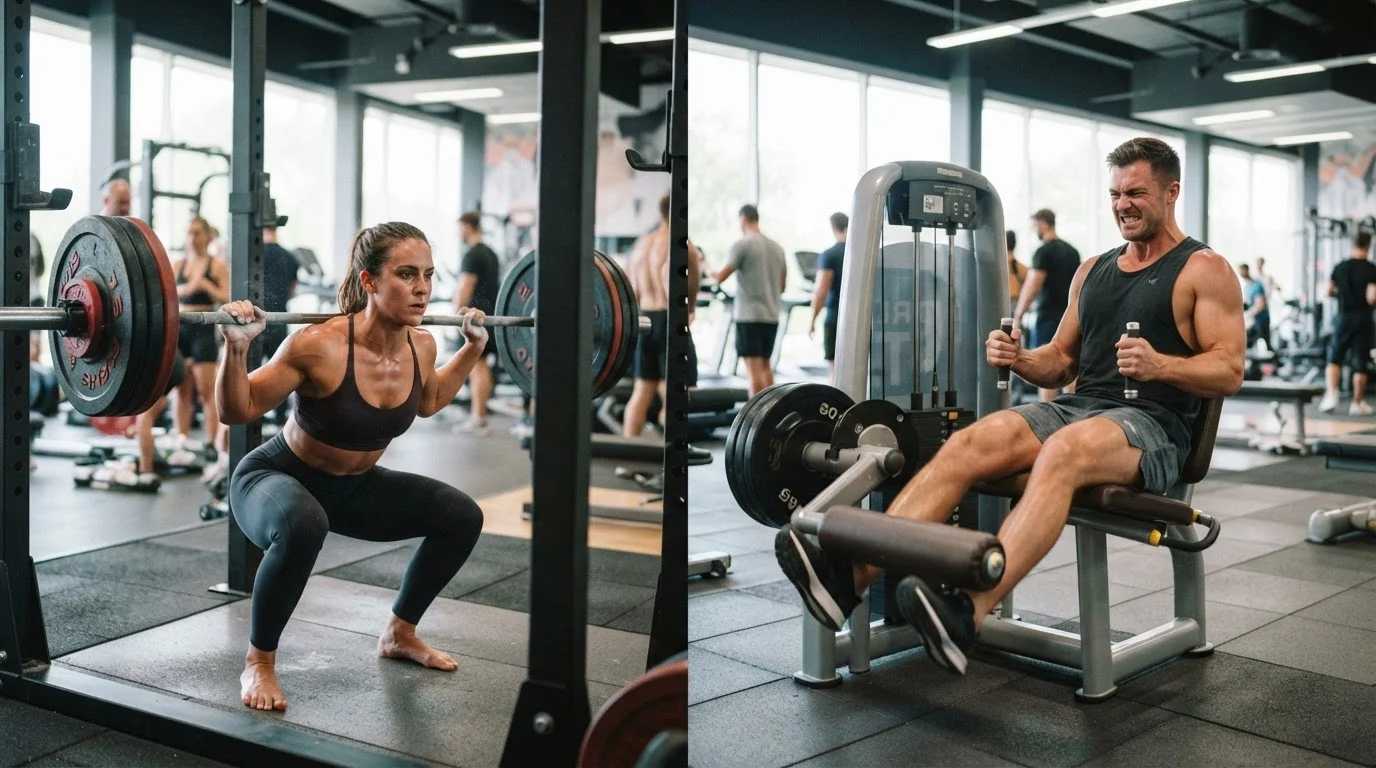
Outdoor movement is valuable, but anchoring your entire routine to good weather is a setup for gaps. Indoor activity - whether that's home workouts, gym sessions, community recreation centers, or active hobbies like dancing or climbing - serves as a buffer when conditions make going outside impractical or unsafe.
The goal isn't to replace one with the other. It's to build a routine flexible enough that a rainy week or a heat wave doesn't register as a full stop. Even readers who genuinely dislike traditional exercise can usually find an indoor movement option that doesn't feel like a chore.
Extreme Weather and Safety Limits
Not every weather condition is safe for outdoor activity. Heat indexes above 103°F (39°C) and wind chills below -20°F (-29°C) carry real health risks including heat stroke and frostbite. On days when outdoor conditions are dangerous, moving indoors is not a compromise - it's the right call. Always check local weather advisories before exercising outdoors in extreme conditions, and consult a healthcare provider if you have cardiovascular or respiratory conditions that may be affected by temperature extremes.
This article is for general informational purposes only. It is not a substitute for personalized medical or fitness advice. Consult a qualified healthcare professional before beginning or significantly changing any physical activity program, especially if you have existing health conditions.