The Three Core Tiers of Youth Sports
American youth sports don't follow a single unified system - they operate across three broad tiers that differ in purpose, governance, and competitive intensity. Understanding these tiers helps parents and young athletes find the right fit at the right time.
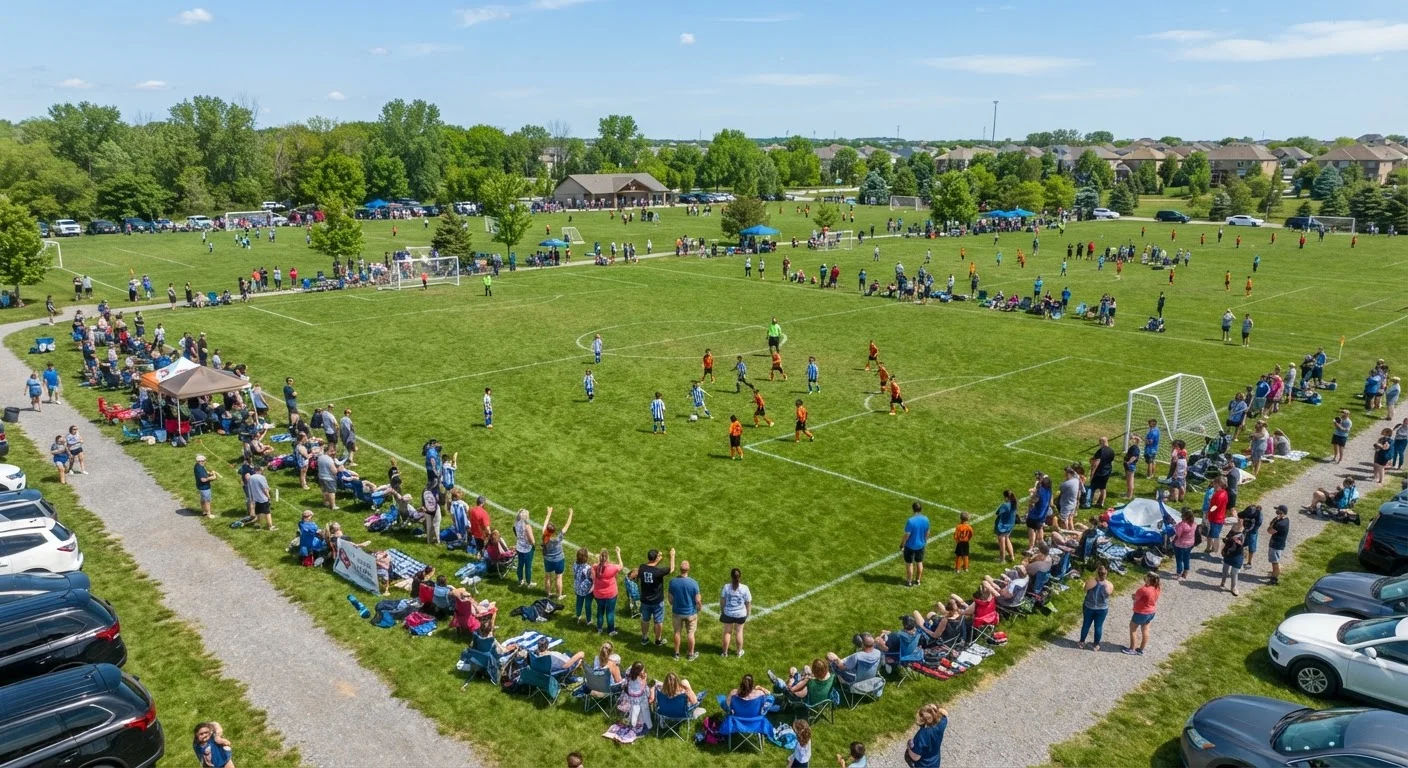
Recreational leagues form the base of the pyramid. Run by local parks and recreation departments, YMCAs, or community nonprofit associations, these programs prioritize participation over performance. Most accept any child within the eligible age range, assign teams by draft or random placement, and keep costs relatively low. Coaching is typically volunteer-based.
Club and travel programs sit in the middle. These are privately organized teams - often affiliated with national governing bodies - that require tryouts and charge higher fees to cover coaching, facility rental, uniforms, and tournament entry. Athletes in this tier practice more frequently and compete against teams from other cities, regions, or even states.
School-based sports represent the third tier, operating within the academic system. Middle school intramural or interscholastic programs offer an early introduction; high school varsity and junior varsity (JV) programs are governed by each state's athletic association and function as the most visible pipeline to collegiate athletics.
How Recreational Leagues Work
Rec leagues are designed for accessibility. Registration is typically open to all children within a defined age bracket, and seasons follow the school calendar - fall, winter, or spring. Sports such as soccer, basketball, baseball, softball, and flag football are the most common offerings at this level.
Age divisions are structured carefully: younger groups (often called U6 or U8, meaning under 6 or under 8) use modified rules, smaller fields, and shorter games to match children's developmental stage. Standings may not be kept in the youngest divisions, and the emphasis is on teaching foundational skills and sportsmanship.
Look for Coaching Credentials at Every Level
Volunteer coaching at the rec level means quality can vary widely. Many local leagues offer free coaching clinics through national organizations like the National Alliance for Youth Sports (NAYS), which helps ensure coaches have at least baseline training in age-appropriate instruction and player safety. When evaluating any program, ask whether coaches hold sport-specific certifications and have completed background checks.
Volunteer coaching at the rec level means quality can vary widely. Many local leagues offer free coaching clinics through national organizations like the National Alliance for Youth Sports (NAYS), which helps ensure coaches have at least baseline training in age-appropriate instruction and player safety.
Club and Travel Teams: Commitment and Competition
Club sports represent a significant step up in both intensity and investment. Tryouts are held seasonally, and roster spots are limited. Annual costs - including registration, equipment, tournament fees, and travel - can range from a few hundred dollars to well over $5,000 per year depending on the sport and level of competition.
National governing bodies provide organizational structure for club programs. US Youth Soccer, USA Basketball, USA Hockey, and similar organizations set eligibility rules, sanction tournaments, and maintain league frameworks that allow teams to compete at regional and national championship events.
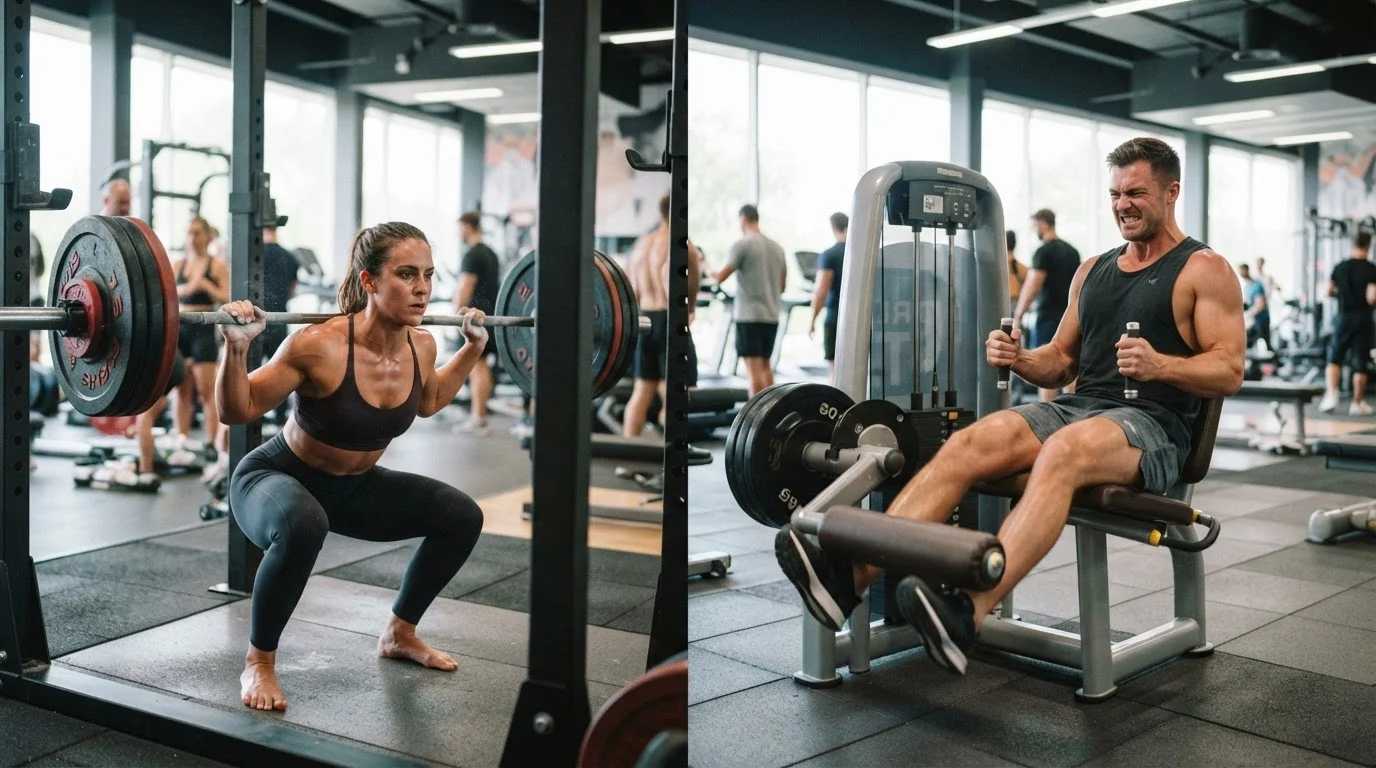
One important distinction: club sports often operate year-round, which raises questions about athlete health and recovery. Parents considering multi-sport or multi-season schedules should be aware of the physical demands involved - see our article on the physical demands of playing different sports back-to-back for more on how the body adapts across sports seasons.
60M+
Youth athletes participating in organized sports annually
The Aspen Institute's Project Play estimates more than 60 million children ages 6-18 participate in organized sports in the U.S. each year.
70%
Children who quit organized sports by age 13
Research cited by the Aspen Institute suggests roughly 70% of children drop out of organized sports by age 13, often citing lack of fun or excessive pressure.
$1,472
Average annual household spending per child in youth sports
A survey by the Aspen Institute and Utah State University found U.S. families spent an average of approximately $1,472 per child per year on youth sports.
30+
Sports governed by NFHS at the high school level
The National Federation of State High School Associations (NFHS) provides playing rules for more than 30 sports across its member state associations.
School Sports and the Path Toward Collegiate Athletics
High school athletics in the United States are governed by state athletic associations - bodies like the California Interscholastic Federation (CIF) or the Texas University Interscholastic League (UIL) - which set eligibility rules, season structures, and playoff formats. These associations are members of the National Federation of State High School Associations (NFHS), which coordinates rules across the country.
High school programs field both varsity and JV squads, giving athletes at different development stages opportunities to compete. For elite prospects, high school performance is central to NCAA and NAIA recruiting processes, which begin in earnest during sophomore and junior year.
Understanding the rules of the sports being played matters more at this level. Competitive play brings rule enforcement into sharp focus - our explainer on the most misunderstood rules in American sports is a useful read for athletes and parents navigating competitive play for the first time.
A 7-year-old joins a local parks department soccer league on Saturday mornings, is placed on a team without a tryout, and plays 6-vs-6 games on a small field.
A 12-year-old basketball player tries out for a regional club team that competes in weekend tournaments two states away four times per year.
A high school sophomore makes the JV soccer roster and competes under rules set by her state's interscholastic athletic association throughout a 12-week fall season.
A 10-year-old plays recreational baseball in spring, flag football in fall, and recreational basketball in winter rather than specializing in one sport year-round.
Choosing the Right Level for Your Child
There's no single correct tier for every child. Age, temperament, athletic interest, and family logistics all factor into the decision. Sports medicine experts broadly recommend that younger children - generally under age 12 - prioritize multi-sport participation and unstructured play before committing to a single sport at high intensity.
When evaluating programs, families should ask about coaching credentials, practice-to-game ratios, player safety policies, and the organization's culture around winning versus development. A rec league is often the right starting point; advancement to club or school programs should follow the child's genuine enthusiasm, not external pressure.
For families curious about how professional sports leagues at the top of the development ladder are organized, our breakdown of how the NHL and AHL differ offers a useful window into how tiered league systems work even at the professional level.