Why Interior Painting Goes Wrong Before You Open the Can
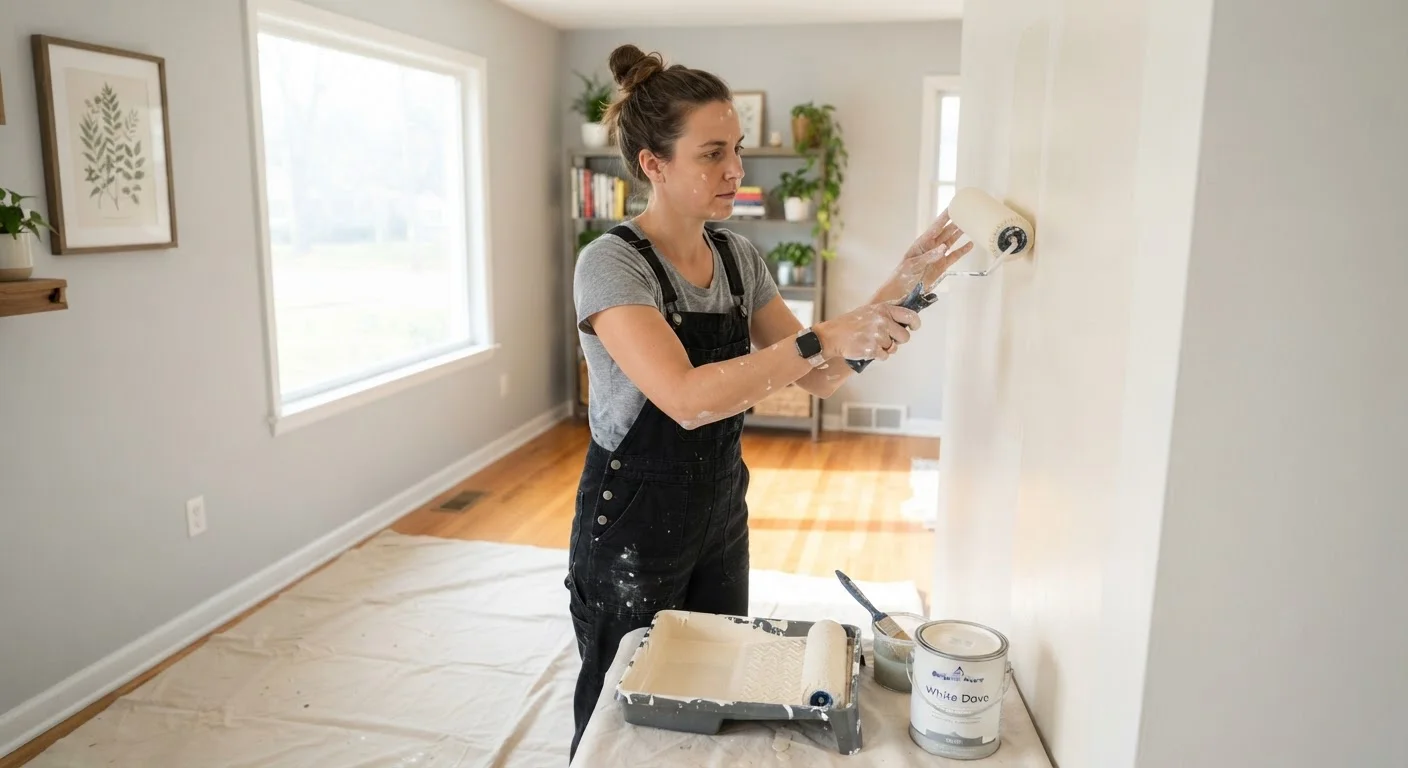
Interior painting is one of the most approachable home improvement projects - but it's also one of the most commonly done poorly. The gap between a crisp, professional-looking finish and a streaky, short-lived result almost always comes down to preparation and technique, not the quality of paint. Understanding where things go wrong is the fastest way to get them right.
These mistakes show up in homes across the country, from first-time DIYers to experienced homeowners who've simply picked up a few bad habits. Avoiding them doesn't require professional training - it requires knowing what to expect before you start. For a broader look at keeping your home in shape year-round, see the seasonal home maintenance checklist every homeowner should have on hand.
Don't Skip Surface Preparation
Applying paint over dirty, greasy, or damaged walls is the leading cause of premature peeling and uneven coverage. Always clean walls with a mild detergent solution, allow them to dry fully, fill any holes or cracks with spackle, and sand smooth before opening a single can of paint. No amount of quality paint can compensate for a poorly prepared surface.
The Most Common Painting Mistakes - and How to Fix Them
Each of the errors below is easy to make and just as easy to prevent once you know what to look for. Work through them before your next project.
Skipping primer before applying finish paint.
Why it happens: Primer feels like an optional extra step, especially when paint cans advertise 'paint and primer in one' formulas. Many homeowners assume these products eliminate the need for a dedicated primer coat.
Choosing the wrong paint sheen for the room.
Why it happens: Sheen choices - flat, eggshell, satin, semi-gloss - are often picked based on personal preference or whatever's on sale, without considering how light and traffic will interact with the finish.
Overloading the roller with too much paint.
Why it happens: Dipping the roller deeply and applying immediately feels efficient, but excess paint drips, spatters, and creates thick ridges that dry unevenly.
Painting over dirty or glossy walls without cleaning or sanding.
Why it happens: Walls may look clean enough to the eye, but cooking grease, dust, and body oils create a barrier that prevents new paint from bonding properly.
Rushing between coats instead of allowing proper dry time.
Why it happens: Impatience - especially on a weekend project - leads homeowners to apply a second coat before the first has cured, causing lifting, streaking, and uneven color.
Avoiding these missteps keeps a weekend project from turning into a do-over. The same principle applies in other areas of home life - as explored in our piece on organizing myths that make homes messier: common assumptions often produce the opposite of the intended result.
Ventilation Matters More Than You Think
Painting in a poorly ventilated room concentrates fumes that can cause dizziness or respiratory irritation, even with low-VOC paints. Open windows, use a fan to move air through the space, and take regular breaks. If you have a respiratory condition or are pregnant, consult a qualified professional before tackling any interior painting project.
Give yourself realistic time, work methodically, and treat preparation as the main event rather than a formality. The paint job you do correctly the first time is the one you won't have to redo in two years.