What Mental Health Apps Actually Are
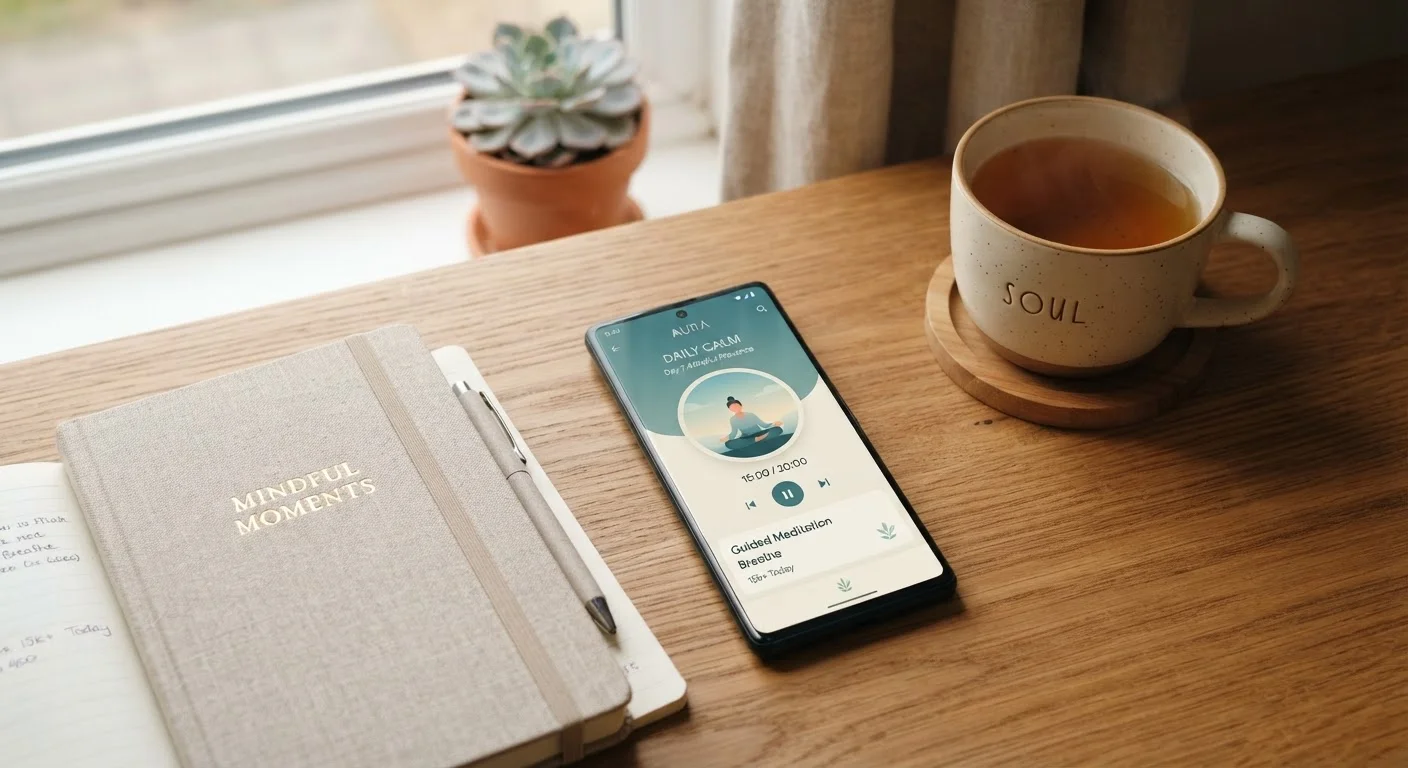
Mental health apps are software applications - typically downloaded to a smartphone or tablet - designed to support psychological well-being through tools such as guided meditation, mood tracking, breathing exercises, cognitive behavioral therapy (CBT)-informed journaling, or on-demand text access to counselors. They range from simple mindfulness timers to platforms offering structured therapeutic programs.
It's important to distinguish between wellness apps (which aim to support general emotional well-being) and apps that provide clinical intervention or connect users with licensed professionals. The vast majority fall into the wellness category and are not regulated as medical devices. For a broader look at how professional care, habits, and tools fit together, see our practical framework for mental well-being.
This article is for general informational purposes only and does not constitute medical or psychological advice. Always consult a qualified mental health professional for personal concerns.
The Advantages Worth Considering
For many Americans, mental health apps represent the most accessible entry point into structured emotional support. Here's where they offer real value:
Low-cost or free access to wellness support
Many mental health apps are free or available at a fraction of the cost of therapy sessions, making them accessible to people who face financial or insurance barriers to professional care.
Available 24/7, anywhere with a device
Unlike scheduled appointments, apps can be used during a stressful moment at 2 a.m. or during a lunch break - providing immediate support when it's most needed.
Useful for building consistent wellness habits
Features like daily reminders, streaks, and guided exercises can help users establish routines around breathing, mindfulness, or mood tracking that compound over time.
Low stigma entry point for mental health support
For people who feel hesitant to seek in-person therapy, an app offers a private, low-pressure way to begin engaging with their emotional health.
Can complement professional therapy
Apps can reinforce therapeutic skills between sessions, providing a space to practice techniques like cognitive reframing or guided relaxation recommended by a clinician.
10,000+
Mental health apps available in major app stores
Estimates from mental health researchers suggest tens of thousands of mental health and wellness apps exist across major platforms, making quality evaluation a significant challenge for consumers.
~50%
Adults who don't access needed mental health care
According to the Substance Abuse and Mental Health Services Administration (SAMHSA), roughly half of U.S. adults with mental illness do not receive treatment in a given year, often due to cost or access barriers.
Apps can also serve as a helpful complement to therapy - reinforcing skills between sessions, or helping users notice patterns worth discussing with a clinician. They may also help users identify when they need more support, functioning as an early check-in mechanism. For self-directed reflection between app sessions, structured prompts like those in a weekly mental health check-in can reinforce the habit.
The Limitations and Risks to Weigh
Despite their convenience, mental health apps come with significant caveats that users should understand before relying on them:
Limited or inconsistent evidence base
While some techniques embedded in apps (such as mindfulness and CBT) are well-researched, few individual apps have been independently studied with rigorous clinical trials. Marketing claims often outpace the actual evidence.
Not appropriate for clinical mental health conditions
Apps are generally not designed or validated to treat conditions such as major depressive disorder, PTSD, bipolar disorder, or severe anxiety. Relying on them instead of professional care can delay effective treatment.
Significant data privacy concerns
Mental health apps collect sensitive personal information - including mood logs, self-reported symptoms, and usage patterns - that may be shared with third parties. Regulatory oversight in this space remains limited.
High dropout and low engagement rates
Research consistently shows that most users abandon mental health apps within days or weeks, suggesting that they may not provide the sustained engagement needed for meaningful behavior change.
Risk of substituting for needed professional care
Easy access to app-based support may give users - or their support networks - a false sense that a problem is being addressed, potentially delaying consultation with a licensed mental health professional.
Quality varies dramatically across the market
The app marketplace is largely unregulated for wellness tools, meaning apps built on unverified frameworks sit alongside evidence-informed ones with no clear way for most consumers to distinguish between them.
It's also worth noting that screen-based tools may occasionally work against emotional well-being if overused - something explored in more depth in our article on daily habits that quietly undermine your mental health.
How to Use Apps Responsibly as Part of a Wellness Routine
Mental health apps are most effective when treated as one component of a broader wellness approach - not the whole strategy. Consider these principles when integrating them into your routine:
- Match the tool to the need. Apps are generally better suited to stress management and habit-building than to addressing clinical anxiety, depression, or trauma.
- Review privacy policies. Before entering sensitive personal data, check what information is collected, stored, and shared. Look for apps that publish transparent data practices.
- Don't delay professional care. If symptoms are persistent or interfering with daily functioning, an app is not an adequate substitute for evaluation by a licensed mental health professional.
- Look for evidence-based features. Apps that incorporate validated techniques - such as mindfulness-based stress reduction (MBSR) or CBT principles - tend to be better supported by research than those built around novel or unverified frameworks.
Pairing app use with physical activity, social connection, and good sleep hygiene provides a far more robust foundation. Research on how movement supports mood and cognition is worth reviewing - see the mental health benefits of regular physical activity for context. Similarly, the role of human connection shouldn't be underestimated; social connection and mental health research highlights why no app fully replicates genuine human support.
When to Seek Professional Help Instead
If you're experiencing persistent sadness, anxiety that interferes with daily life, thoughts of self-harm, or symptoms that have lasted more than two weeks, please consult a licensed mental health professional rather than relying on an app. In the United States, the 988 Suicide and Crisis Lifeline is available by calling or texting 988. Apps are not equipped to provide crisis intervention or clinical diagnosis.