
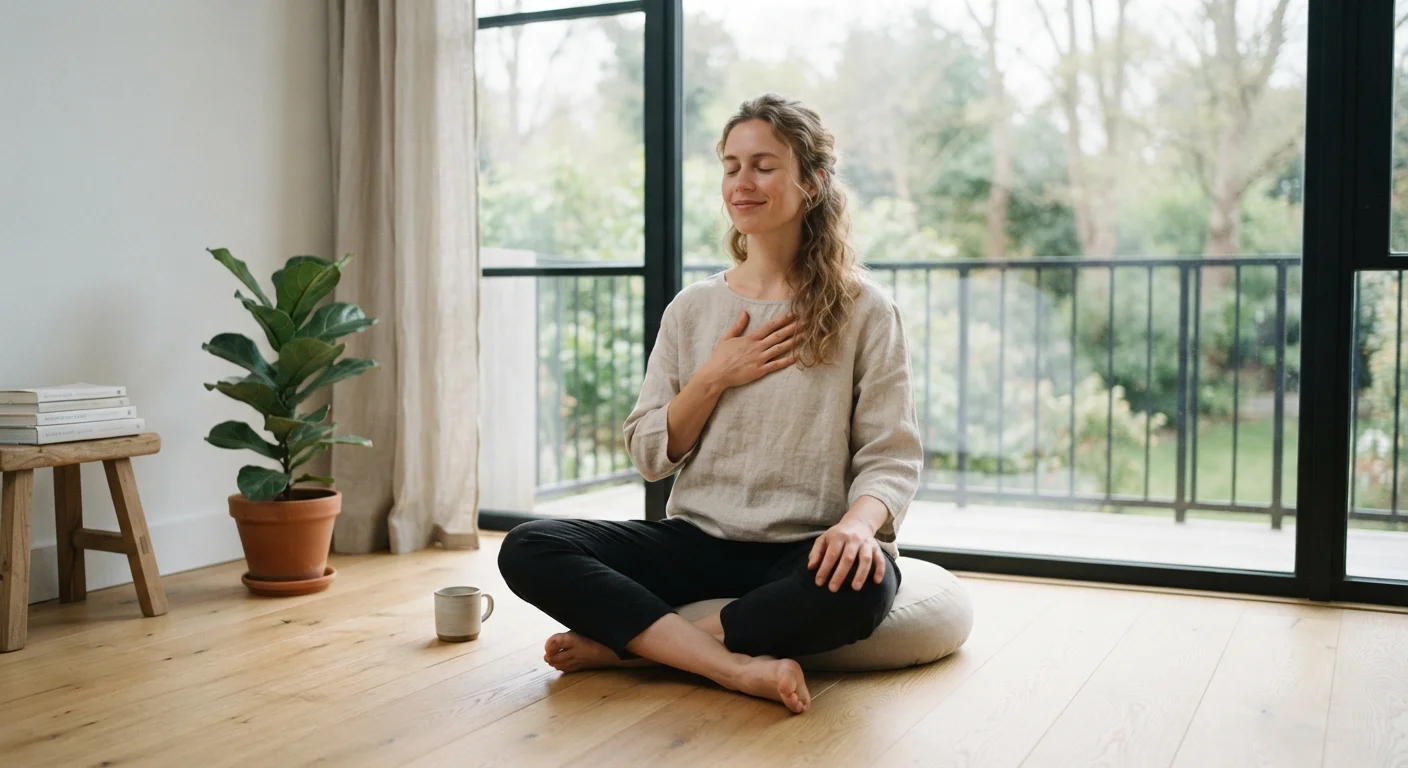
What Each Practice Actually Involves
Mindfulness meditation is a broad mental training practice rooted in contemplative traditions and adapted extensively in clinical psychology. At its core, it involves deliberately directing attention to present-moment experience - thoughts, sensations, emotions - without trying to change or judge what arises. Sessions can range from a few minutes to an hour, and the practice typically unfolds over weeks or months of regular engagement.
Focused breathing (also called breathwork or diaphragmatic breathing exercises) refers to a specific set of techniques that consciously regulate the rate, depth, or pattern of the breath. Common examples include slow diaphragmatic breathing, box breathing (equal counts of inhale, hold, exhale, hold), and extended-exhale breathing. Unlike mindfulness, which uses breath as just one possible anchor, focused breathing practices treat breath control as the primary mechanism of effect.
It's worth noting that breath awareness frequently appears within mindfulness meditation as a concentration anchor - but the two practices are not interchangeable. Mindfulness is broader in scope; focused breathing is narrower and more physiologically direct. For a look at how unmanaged stress affects the body when neither tool is in use, see our article on what chronic stress actually does to your body and mind.
How They Work: The Underlying Mechanisms
The two practices influence the mind and body through somewhat different pathways.
Mindfulness meditation works primarily through cognitive and neurological change over time. Research published in journals such as Psychological Science and NeuroImage suggests that sustained mindfulness practice is associated with changes in brain regions involved in attention regulation, emotional processing, and self-referential thinking - including the prefrontal cortex and the amygdala. These shifts appear to reduce automatic reactivity to stressors and support greater psychological flexibility.
Focused breathing operates more immediately through the autonomic nervous system. Slowing the breath - particularly lengthening the exhale - activates the vagus nerve, which stimulates parasympathetic activity. This suppresses the body's fight-or-flight response, lowers heart rate, and reduces circulating stress hormones such as cortisol. These effects can occur within a few minutes, making breathwork one of the most accessible real-time stress interventions available.
| Criterion | Mindfulness Meditation | Focused Breathing |
|---|---|---|
| Primary mechanism | Cognitive & neurological change over time | Autonomic nervous system regulation |
| Time to noticeable effect | Weeks of regular practice | Minutes in a single session |
| Best use case | Long-term emotional resilience | Acute stress or anxiety relief |
| Skill level required | Grows with guidance and consistency | Low - minimal instruction needed |
| Scope of attention | Open awareness of thoughts, feelings, sensations | Narrow focus on breath pattern and rate |
| Evidence base | Extensive clinical research (MBSR, MBCT) | Strong physiological research base |
| Session length | Typically 15-45 minutes | Can be effective in 2-5 minutes |
For context on how these tools fit alongside physical stress management, our coverage of aerobic vs. anaerobic training explores another set of body-based approaches to regulating stress physiology.
When to Use Each - and When to Combine Them
The clearest way to think about these two practices is by time horizon and context.
Use focused breathing when you need relief now - before a difficult conversation, during a panic response, or in the middle of a stressful workday. Its speed and simplicity make it well-suited to moments of acute overwhelm. Our grounding techniques for moments of overwhelm covers focused breathing alongside other rapid-response strategies worth knowing.
Use mindfulness meditation when your goal is building a more durable capacity to handle stress - a practice that changes how you respond to difficulty rather than just suppressing a single stress response. Most evidence-based mindfulness programs (such as Mindfulness-Based Stress Reduction, or MBSR) recommend daily sessions over eight or more weeks to observe meaningful benefits.
Combining both is common and complementary. Many people use focused breathing at the start of a mindfulness session to settle the nervous system, then shift into open, non-directive awareness. Others rely on breathwork throughout the day and reserve mindfulness practice for a dedicated morning or evening session. If you're navigating stress at different life stages, stress management approaches across the lifespan offers a useful broader framework.
This article is for informational purposes only and does not constitute medical or psychological advice. If you are experiencing significant anxiety, depression, or other mental health concerns, please consult a qualified healthcare or mental health professional.