Why There's No Single Answer - And What Actually Drives the Timeline
The question sounds simple: how far ahead should you plan your trip? But the honest answer is that it depends on at least four variables - your destination, the time of year, how you're getting there, and what kind of experience you're after. A weekend drive to a nearby national park requires very different lead time than a two-week trip to Southeast Asia during peak season.
That said, most travelers consistently plan too late for complex trips and sometimes overthink the logistics of simpler ones. The goal of this timeline isn't to create anxiety - it's to surface the decisions that quietly get rushed so you can make them deliberately. For a deeper look at how the planning process shifts once you cross an international border, see what actually changes with international trip planning.
The Planning Timeline: What to Do and When
12+ Months Out: Major International and Peak-Season Trips
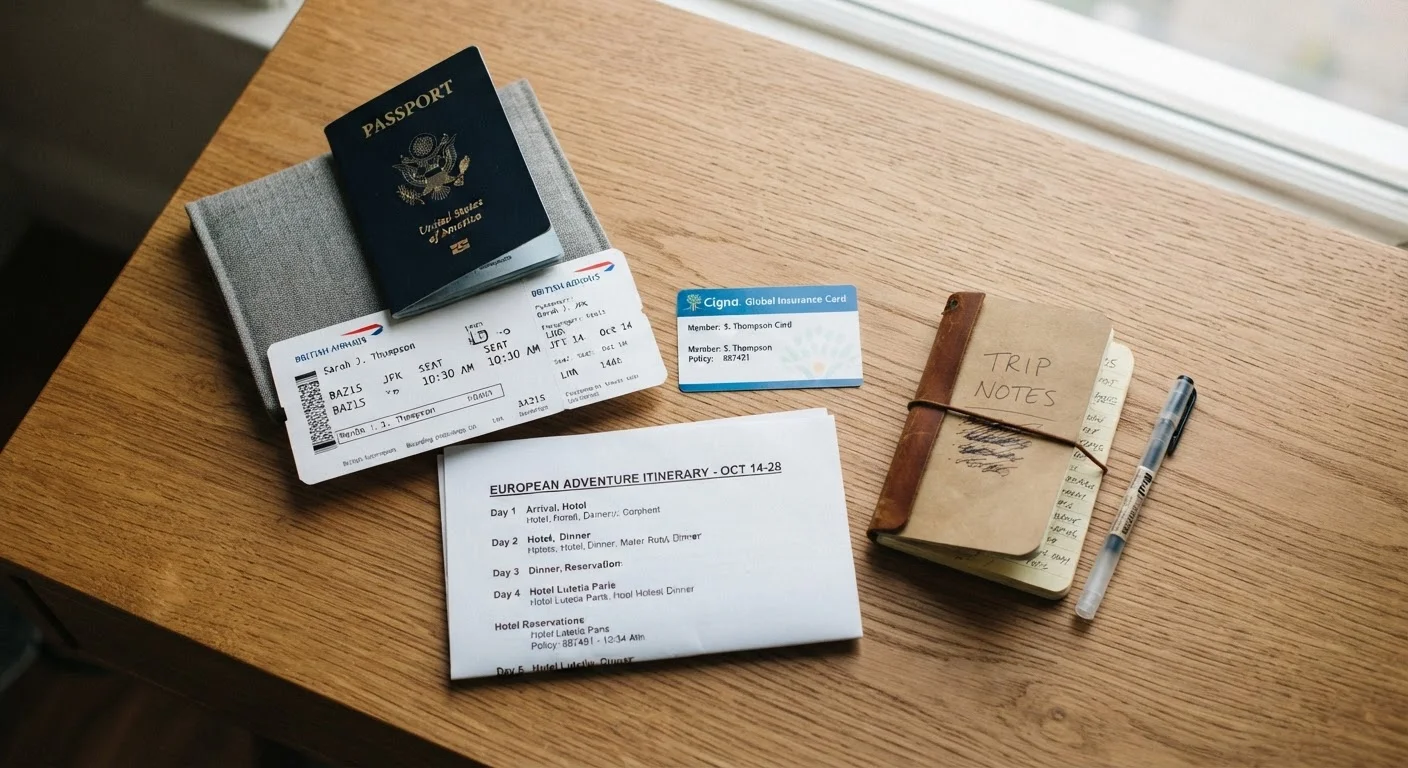
If your trip involves a popular destination during a high-demand period - think European summer travel, a safari in East Africa, or Japan during cherry blossom season - start a full year out. This window covers passport renewals (allow 10-13 weeks minimum for U.S. applications at standard processing), visa research, flight research for long-haul routes, and any vaccinations that require a multi-dose series spaced over months. The end-to-end guide to long-haul trip planning breaks down exactly what this category of travel involves.
6-9 Months Out: Standard International Travel
For international trips outside peak season, six to nine months gives you enough runway to research and book flights before prices climb, secure accommodation in smaller towns with limited options, and complete any single-dose vaccination requirements. This is also when to seriously think through your transportation mode - our guide on road trip vs. flying can help you weigh that decision before you commit to anything.
3-6 Months Out: Domestic Trips with High-Demand Elements
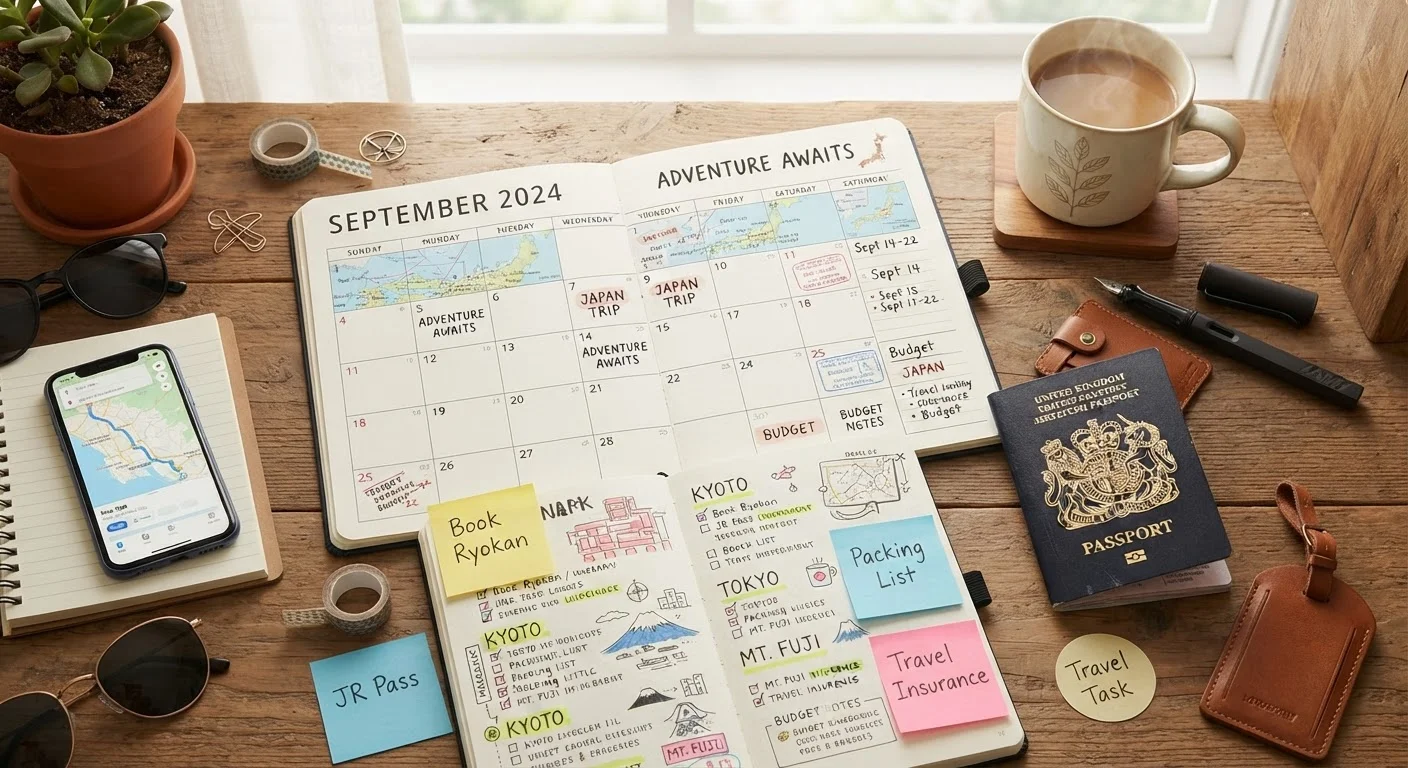
Domestic travel to popular U.S. parks, major festivals, or holiday weekends falls here. Camping permits at places like Yosemite or the Grand Canyon are often released months in advance and sell out within hours. Accommodation in small gateway towns books up quickly. Build your core itinerary now and start your budget - a realistic travel budget should account for more than flights and hotels.
4-8 Weeks Out: Flexible Domestic or Regional Travel
A road trip with flexibility in your route, a city break, or a visit to family with minimal logistical complexity can realistically come together in four to eight weeks. Flights within the continental U.S. often show reasonable fares in this window (though not always). Use this lead time to confirm reservations, notify your bank, and research any local customs, entry requirements, or seasonal conditions that might affect your experience.
Last-Minute (Under 2 Weeks): When It Works and When It Doesn't
Last-minute travel can work well for road trips, flexible stays in urban areas, and off-season destinations. It rarely works smoothly for events, cruises, international destinations requiring visas, or anywhere with limited accommodation. If you're feeling uncertain about your itinerary's pacing, review the planning traps that derail even well-intentioned trips before you finalize anything.