Why Mold Myths Are So Persistent
Mold generates genuine anxiety among homeowners - and that anxiety has created fertile ground for misinformation. Dramatic news coverage of 'toxic black mold,' aggressive marketing by remediation companies, and well-meaning but inaccurate advice shared online have all contributed to a landscape where fear often outpaces fact. The result is homeowners who either panic unnecessarily or, just as dangerously, underestimate a real moisture problem because it doesn't match their mental image of a crisis.
Understanding what the science actually says lets you respond proportionally: address mold where it exists, fix what caused it, and know when to call for professional help. Just as myths about other health and home topics can lead to poor decisions - the way common organizing myths keep homes more cluttered than necessary - mold myths often lead to wasted money or missed action on genuine risks.
Myth
All household mold is 'toxic black mold' and poses an immediate health emergency.
Fact
Most household molds are not the highly publicized Stachybotrys chartarum, and even that species does not automatically cause severe illness in everyone exposed.
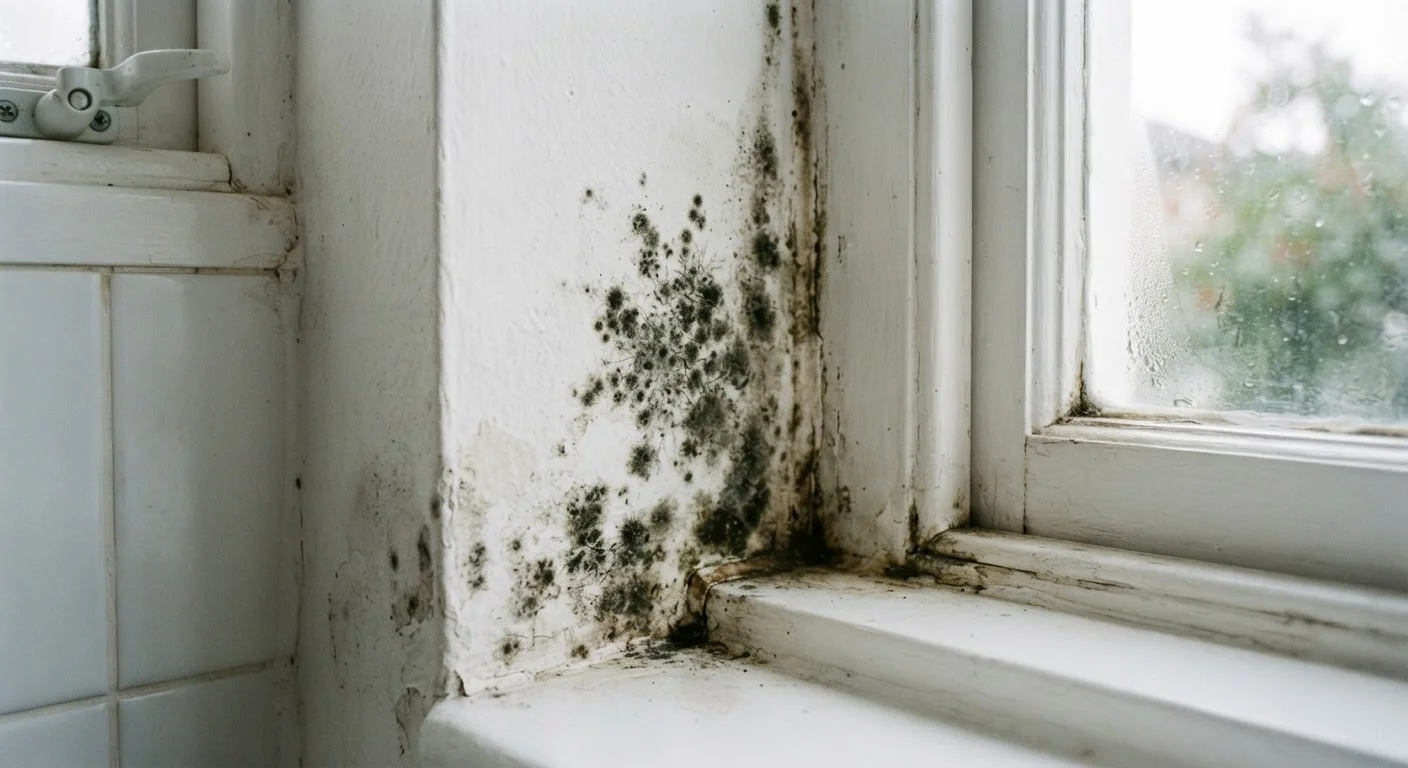
The term 'toxic black mold' is widely used but often misapplied. Stachybotrys chartarum is just one of hundreds of mold species that can appear in homes, and it requires very specific, sustained wet conditions to establish. Many black-colored molds are common, low-risk species. That said, any mold can trigger allergic reactions or respiratory irritation in sensitive individuals - including children, elderly people, and those with asthma or compromised immune systems. The key takeaway: take all indoor mold seriously as a moisture problem, but don't assume every dark spot is a health catastrophe.
Myth
Bleach kills mold permanently and is the best cleaning solution for any surface.
Fact
Bleach can kill mold on non-porous surfaces, but it cannot penetrate porous materials like drywall or wood, where mold roots remain active.
When bleach contacts mold on tile or glass, it can destroy surface growth effectively. However, on porous materials, the water in bleach solution actually carries moisture deeper into the material - potentially feeding regrowth. The EPA and many remediation professionals recommend removing and replacing heavily contaminated porous materials rather than treating them with bleach. For small non-porous surfaces, a diluted bleach solution can be appropriate, but you should always address the underlying moisture source first, or the mold will return regardless of what cleaning product you use.
Myth
If you can't see mold, you don't have a mold problem.
Fact
Mold frequently grows inside wall cavities, under flooring, behind wallpaper, and in HVAC ducts - entirely out of sight.
A musty odor without visible growth is a strong signal that mold may be hiding in concealed spaces. Plumbing leaks inside walls, roof leaks that saturate insulation, and condensation within duct systems all create ideal hidden mold conditions. If you notice persistent musty smells, unexplained allergy-like symptoms in occupants, or recent water damage, consider having a qualified inspector evaluate those areas. Waiting for visible mold to appear before acting typically means the problem is already well established.
Myth
DIY mold test kits give accurate, meaningful results.
Fact
Consumer mold test kits are widely considered unreliable by environmental health professionals and can produce misleading results.
Most DIY settle-plate tests simply confirm that mold spores are present in your air - which is true of virtually every indoor environment on Earth. They cannot identify species with clinical accuracy, quantify exposure risk, or locate the source. The American Industrial Hygiene Association and similar bodies generally advise that meaningful mold assessment requires a trained industrial hygienist who can evaluate moisture conditions, take samples properly, and interpret results in context. If you genuinely need testing - for example, during a real estate transaction or after remediation - hire a qualified professional rather than relying on a kit.
Myth
Mold only grows in warm, humid climates or during summer months.
Fact
Mold can grow at typical indoor temperatures year-round; it needs moisture, not heat.
Many mold species thrive between 40°F and 100°F - a range that includes most heated homes in winter. Cold-weather condensation on windows, poorly insulated exterior walls, and humidifiers running indoors all provide sufficient moisture for mold to develop even in the middle of January. Maintaining indoor relative humidity below 60% (ideally between 30-50%) is a year-round practice, not just a summer concern. Energy-efficient homes with tight envelopes can actually be more vulnerable if ventilation is inadequate.
Myth
Once you clean up mold, the problem is solved for good.
Fact
Mold will return unless the underlying moisture source is identified and permanently corrected.
Mold remediation without moisture control is a temporary fix at best. Whether the source is a slow pipe leak, inadequate bathroom ventilation, a grading problem directing rainwater toward your foundation, or a failing roof, the water pathway must be eliminated. After any cleanup, test the repaired area with a moisture meter before closing walls or applying new materials. Continuing to monitor humidity levels with an inexpensive hygrometer is a straightforward, durable habit that helps catch new moisture intrusion early - before mold gets a foothold again.
Practical Steps After Separating Myth from Fact
Once you understand what mold is and isn't, the path forward becomes clearer. For small, surface-level mold patches (under 10 square feet) on non-porous materials in low-risk areas like a bathroom tile grout, careful DIY cleaning with appropriate protective gear - gloves, an N-95 respirator, and eye protection - is generally considered reasonable by the EPA. Always fix the moisture problem first.
When to Call a Professional Immediately
If mold covers an area larger than 10 square feet, appears after sewage backup, or is located inside HVAC systems, do not attempt DIY remediation. The U.S. Environmental Protection Agency recommends hiring a qualified remediation contractor for these situations. Disturbing large colonies without proper containment can spread spores throughout your home.
For anything more extensive, or when mold affects vulnerable occupants, consult a qualified remediation professional. When evaluating contractors, ask whether they follow established industry guidelines such as those from the Institute of Inspection Cleaning and Restoration Certification (IICRC). A trustworthy contractor will identify and address moisture sources, not just treat visible growth.
Your most powerful long-term tool is moisture management: repair leaks promptly, ensure bathroom and kitchen exhaust fans vent to the outdoors, keep gutters clear so water drains away from your foundation, and monitor indoor humidity regularly. These habits cost far less than remediation and protect your home year-round.
~50%
U.S. homes with dampness or mold issues
Research published in Indoor Air has estimated that roughly half of U.S. homes have conditions conducive to mold or dampness problems.
10 sq ft
EPA threshold for DIY vs. professional remediation
The U.S. Environmental Protection Agency's mold guidance recommends professional remediation for mold covering more than 10 square feet.
30-50%
Recommended indoor relative humidity range
Maintaining indoor humidity within this range is a widely cited guideline from the EPA and ASHRAE for inhibiting mold growth.