
A Messenger System, Not a Simple On/Off Switch
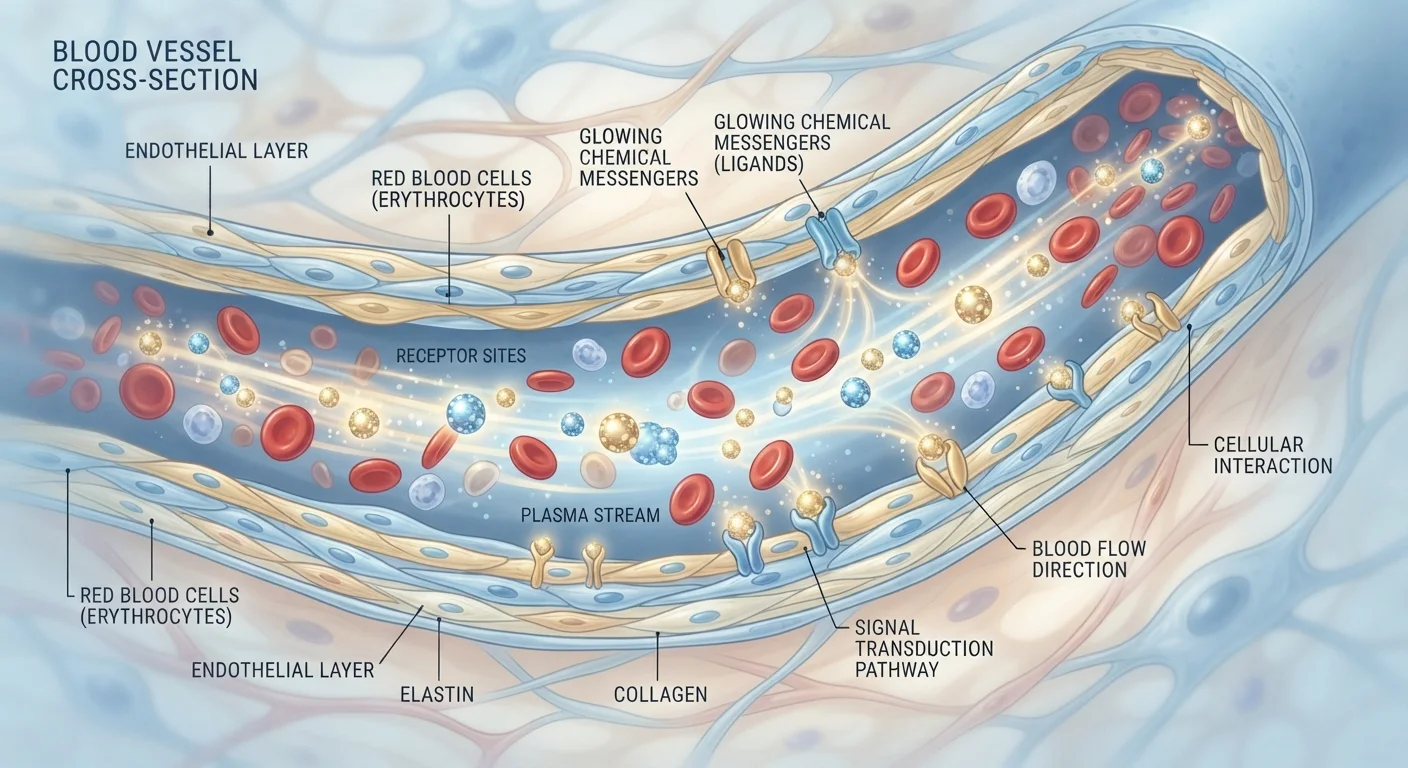
Most people encounter the word "hormone" in one of two contexts: puberty or mood swings. That framing sells the concept short. Hormones are the body's chemical postal service - molecules manufactured in one location that travel through the blood to deliver instructions somewhere else entirely.
The endocrine system - a network of glands including the thyroid, adrenal glands, pancreas, and pituitary - handles most hormone production. But the gut, heart, fat tissue, and even bones also secrete hormones. This distributed architecture means hormones are not the exclusive province of any one organ.
What makes them difficult to define neatly is their sheer versatility. Cortisol, released by the adrenal glands during stress, also regulates blood pressure, suppresses inflammation, and influences memory formation. Insulin, famous for managing blood sugar, also affects the brain and reproductive function. A single molecule wearing that many hats resists a tidy one-line definition.
Not Every Molecule Called a Hormone Fits the Classic Definition
Scientists increasingly recognize "paracrine" and "autocrine" signaling - where molecules act on neighboring cells or even the same cell that produced them, rather than traveling through the blood. Some researchers use the term "local hormones" for these. The classical definition of a hormone as a blood-borne messenger is accurate for most contexts but is not absolute.
Three Chemical Families Under One Umbrella
When scientists say "hormone," they are actually describing molecules from three structurally distinct chemical families:
- Steroid hormones - including estrogen, testosterone, and cortisol - are built from cholesterol. They can cross cell membranes and directly influence gene expression inside the nucleus.
- Peptide and protein hormones - including insulin, growth hormone, and oxytocin - are chains of amino acids. They cannot enter cells easily, so they bind to receptors on the cell surface and trigger internal signaling cascades.
- Amine hormones - derived from single amino acids - include adrenaline (epinephrine) and thyroid hormone. They behave somewhere in between, with thyroid hormone even entering the nucleus like a steroid.
These structural differences matter clinically and biologically. They affect how quickly a hormone acts, how long it lingers, and how it can be targeted by medications.
Feedback Loops: The Body Regulating Itself
Hormones rarely act in isolation. The body uses feedback loops - mostly negative feedback - to keep levels within a healthy range. When thyroid hormone rises too high, the pituitary gland reduces its output of thyroid-stimulating hormone (TSH), which in turn signals the thyroid to slow production. The system is self-correcting.
This is why blaming a single hormone for a complex problem - or assuming "more" is always better - misrepresents the biology. Flooding the system with an extra hormone can shut down the body's own production of it, disrupt receptors, or create imbalances elsewhere in the signaling chain.
50+
Known hormones in the human body
Endocrinologists have identified more than 50 distinct hormones in humans, with research continuing to characterize new signaling molecules and their roles.
~1 in 8
Americans with thyroid disorders
The American Thyroid Association estimates that approximately 20 million Americans have some form of thyroid disease, one of the most common hormonal conditions.
Positive feedback loops exist too, though they are rarer and typically time-limited. During childbirth, oxytocin release triggers uterine contractions, which trigger more oxytocin - an escalating cycle that ends when the baby is delivered and the stimulus disappears.
Why "Hormone Imbalance" Is Harder to Pin Down Than It Sounds
Popular wellness culture has made "hormone imbalance" a catch-all explanation for fatigue, weight gain, low mood, and dozens of other symptoms. The reality is more specific. True hormonal disorders - hypothyroidism, polycystic ovary syndrome (PCOS), Addison's disease, diabetes - are well-characterized medical conditions with established diagnostic criteria and treatments.
The challenge is that hormones exist on a spectrum, fluctuate throughout the day and across a lifetime, and interact with each other constantly. Cortisol is higher in the morning; estrogen and progesterone follow a monthly cycle; growth hormone peaks during deep sleep. A single blood test captures one point on a moving curve.
If you have persistent symptoms you believe might be hormone-related, a conversation with a physician or endocrinologist - a specialist in hormonal conditions - is the appropriate first step. Self-diagnosis based on general symptom lists is unlikely to identify the actual cause.
This article is for general informational and educational purposes only and is not a substitute for professional medical advice, diagnosis, or treatment. Always consult a qualified healthcare provider with questions about your health.