
Why the Microbiome Became a Myth Magnet
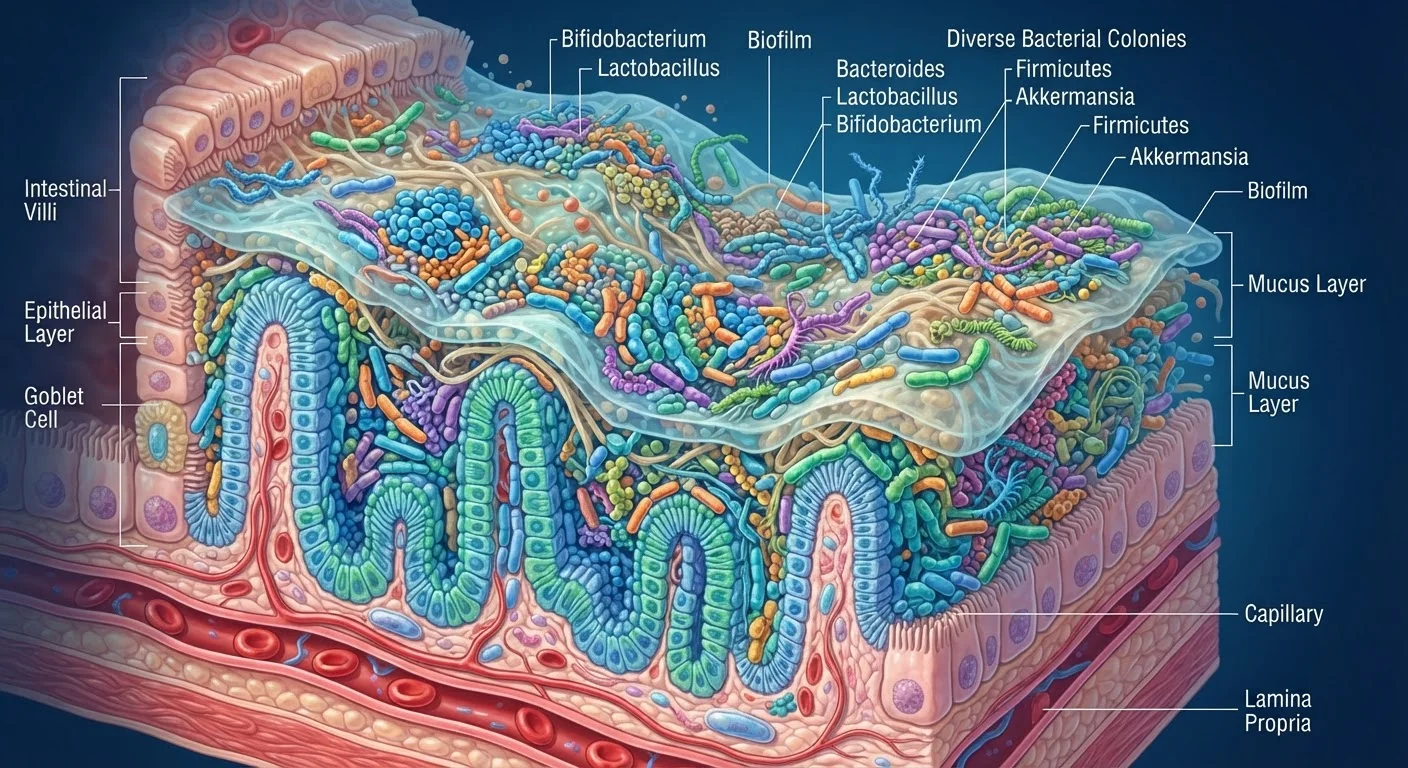
Few areas of biology have generated as much excitement - or as much noise - as the gut microbiome. The roughly 38 trillion microbial cells living in and on the human body represent a genuine scientific frontier, with thousands of peer-reviewed studies published every year. That legitimate excitement has created ideal conditions for oversimplification, wishful thinking, and outright misinformation.
The result: a wellness marketplace full of probiotic supplements, fermented "superfoods," and microbiome testing kits making claims that outpace the evidence by a wide margin. Below, we put the most persistent myths through the same filter the research uses.
For a similar evidence-first look at another health topic, see our breakdown of common nutrition myths.
The Myths, Tested
The following myth-fact pairs are drawn from areas where published clinical and observational research directly contradicts widely held popular beliefs. Each correction reflects the current scientific consensus - not a single study, but a body of evidence.
Myth
Everyone should have the same 'healthy' microbiome, and tests can tell you if yours is normal.
Fact
There is no scientifically established universal template for a healthy microbiome - healthy individuals show enormous variation in microbial composition.
Large-scale projects such as the Human Microbiome Project have confirmed that microbial diversity varies dramatically between healthy people. Factors including geography, genetics, childhood environment, and long-term diet all shape composition in ways that make a single "normal" profile meaningless. Commercial microbiome tests can describe what species are present, but the field does not yet have validated reference ranges that translate those findings into reliable health guidance for individuals.
Myth
Taking a daily probiotic supplement will permanently improve your gut bacteria.
Fact
For most healthy adults, probiotic strains from supplements pass through without establishing long-term residence in the gut.
Multiple randomized controlled trials have found that commercially available probiotic strains rarely colonize the gut of people who already have a stable microbial community. The strains are typically detected while a person is taking the supplement and disappear afterward. This does not mean probiotics are always useless - there is solid evidence for specific strains in specific clinical situations, such as reducing antibiotic-associated diarrhea - but the broad claim that daily supplements rebuild or sustain a healthier microbiome is not supported for the general healthy population.
Myth
Antibiotics permanently destroy your gut microbiome.
Fact
Antibiotics cause measurable disruption to gut bacteria, but the microbiome of most healthy adults shows substantial recovery within weeks to months.
Research has documented real, short-term shifts in microbial diversity following antibiotic courses, and some studies suggest minor long-term differences in composition. However, the picture of irreversible destruction does not reflect the evidence for most otherwise healthy individuals. Recovery timelines and completeness vary by antibiotic class, duration, and individual factors. People with underlying conditions, or those undergoing repeated antibiotic exposure, may experience more pronounced effects - a reason to discuss antibiotic use with a physician rather than assume the worst or the best.
Myth
The gut microbiome directly controls your mood and mental health.
Fact
A gut-brain communication axis exists and is scientifically recognized, but translating that into treatments for depression or anxiety is not yet supported by clinical evidence.
The gut-brain axis - involving the vagus nerve, immune signaling, and microbially produced molecules - is a real and active area of research. Animal studies have shown dramatic behavioral changes following microbiome manipulation, fueling popular claims. Human clinical trials, however, have so far produced much more modest and inconsistent results. No probiotic supplement or dietary intervention has been proven to treat a diagnosed mental health condition. This is an emerging field with genuine scientific promise, but the gap between early findings and actionable therapy remains substantial.
Myth
Fermented foods are always beneficial for gut health.
Fact
Fermented foods can support microbial diversity in some people, but the effect is not universal and depends heavily on the food, the individual, and existing gut composition.
A 2021 Stanford study published in Cell found that a diet high in fermented foods increased microbiome diversity and reduced certain inflammatory markers in a randomized trial - a promising finding. But the response varied among participants, and not all fermented foods contain live cultures by the time they are consumed (many are pasteurized). Context matters: fermented foods can be a valuable part of a varied diet, but treating them as a guaranteed intervention overstates what research currently shows.
This article is for general informational and educational purposes only and does not constitute medical advice. Consult a qualified healthcare professional before making changes to your diet, supplement use, or treatment for any health condition.
What Actually Moves the Needle on Gut Health
Across the research, a few consistent factors emerge as genuinely influential on microbiome diversity and stability. Dietary fiber - found in vegetables, legumes, whole grains, and fruit - remains the most robustly supported driver of a diverse microbial community. Physical activity also shows positive associations in multiple studies, which is explored further in our guide to exercise science myths.
Sleep, chronic stress, and antibiotic exposure are all documented modulators of gut microbial composition. Importantly, these are population-level patterns - individual responses vary considerably, and researchers do not yet have reliable tools to predict how a specific person's microbiome will respond to any given intervention. Caution about sweeping claims isn't scientific timidity; it's what the data demands.
Be Cautious with Microbiome Testing Kits
Direct-to-consumer microbiome tests can identify which microbial species are present in a sample, but the field lacks validated clinical standards for interpreting those results as health guidance. Regulatory bodies, including the U.S. FDA, have not approved such tests as diagnostic tools. If you have a specific digestive or health concern, discuss it with a licensed gastroenterologist rather than relying on a consumer test report.